When investing in a stationary concrete mixing plant for large-scale infrastructure or commercial concrete production in Latin America, the initial financial proposal is often the deciding factor. It is highly common for buyers to review multiple quotes and naturally gravitate toward the lowest bid. However, relying solely on the upfront concrete plant price(planta de concreto precio) can be a costly mistake. In many cases, ultra-low initial quotes mask significant hidden fees, logistical gaps, and operational inefficiencies that can quietly inflate your total investment by 30% or more before the plant even produces its first cubic meter of concrete.
For buyers in rapidly developing markets like Chile, Peru, Colombia, and Mexico, understanding what lies beneath the surface of a quotation is critical. A cheaper machine can quickly become a financial burden due to omitted components, poor structural engineering, or unexpected local compliance costs. To safeguard your investment, it is essential to analyze the total cost of ownership rather than just the attractive sticker price on the initial invoice.
The Anatomy of an Incomplete Quotation
The most frequent reason a concrete plant price seems unbelievably low is that the quote is incomplete. Foreign manufacturers competing strictly on price often strip down the standard configuration to make the offer look appealing. When the equipment arrives, buyers realize vital components are missing, forcing them to purchase parts locally at premium rates.
Omitted Auxiliary Equipment and Components
A functional stationary concrete mixing plant requires more than just a twin-shaft mixer and batching machine. Cheap quotes frequently exclude essential components, forcing buyers to deal with unexpected secondary purchases. Consider the following commonly omitted items:
- Bulk cement silos and screw conveyors
- Moisture sensors and automated aggregate dust-suppression systems
- Full software licenses for the control room computer systems
- Safety walkways, guardrails, and maintenance platforms
Substandard Material Specifications
Another way manufacturers lower the initial concrete plant price is by compromising on material quality. This includes using thinner steel plates for the aggregate bins, lower-grade mixing blades, or generic electrical components instead of internationally recognized brands. In the demanding environments of Latin American construction sites, these sub-par materials lead to premature wear, frequent structural maintenance, and costly operational downtime.
Logistical and Structural Hidden Costs
The financial trap extends far beyond the machinery itself. Stationary plants are heavy, permanent installations that require extensive logistical planning and civil engineering. Low-cost suppliers often offer FOB (Free on Board) terms, leaving the buyer to navigate the complex and volatile international shipping and domestic transport markets alone.
Ocean Freight, Customs, and Inland Transport
Shipping heavy industrial machinery to South American ports involves substantial freight fees, customs duties, and local port handling charges. Furthermore, transporting massive concrete mixing plants in Chile(plantas hormigoneras en Chile) or Peru from the port to a remote project site requires specialized heavy-haul transport. Cheap suppliers rarely assist with customs documentation or local logistics, leading to unexpected port storage fees and customs delays that add thousands to the final tally.
Foundation Engineering and Civil Works
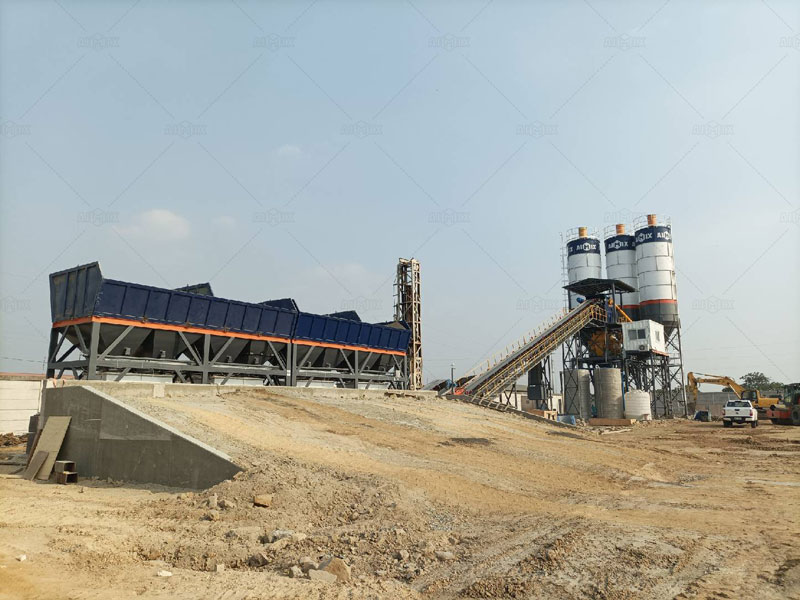
A stationary concrete mixing plant requires a robust, precisely engineered concrete foundation to support its weight and withstand operational vibrations. High-quality manufacturers provide detailed foundation drawings tailored to the specific soil conditions of the site. Low-cost alternatives often provide generic, inadequate drawings. If the foundation is improperly constructed, it can lead to structural misalignment, ruining the equipment and requiring an expensive rebuild of the civil works.
Installation, Commissioning, and After-Sales Gaps
The final stage where the 30% cost inflation typically manifests is during the installation and commissioning phase. Setting up a complex industrial asset requires specialized technical expertise that cheap suppliers rarely provide as part of their standard contract.
To better understand how these costs break down between a low-cost trap quote and a fully inclusive professional quote, consider the following comparison table:
| Cost Category | The “Low-Price Trap” Quotation | Transparent All-Inclusive Quotation |
|---|---|---|
| Initial Equipment | Low sticker price; standard bare-bones machinery. | Higher initial concrete plant price; fully configured. |
| Logistics & Delivery | Excludes local customs clearance and inland transport. | Door-to-door or heavily assisted logistical support. |
| On-Site Supervision | Expensive daily engineer fees billed separately. | Included commissioning or clearly capped service terms. |
| Warranty & Support | No local presence; weeks of downtime for parts. | Local regional service centers and immediate spare parts. |
The Reality of Local Support and Spare Parts
Operating concrete mixing plants(Operando una planta concretera) in Chile, Colombia, or Argentina means relying on a steady supply of wear parts like mixer liners, belts, and valves. Low-cost manufacturers seldom maintain local warehouses or service centers in Latin America. If a critical component fails, the buyer must wait weeks for international air freight, stalling project timelines. When evaluating the total concrete plant price, always compare it against the availability of local technical support and regional spare parts inventories.
Balancing the Budget: Stationary vs. Mobile Solutions
For some projects, buyers find that avoiding the structural hidden costs of a stationary layout means re-evaluating the plant type entirely. While a stationary system offers high output and longevity, exploring the mobile concrete plant price(explorando planta de concreto móvil precio) can sometimes reveal a more economical alternative for projects with shorter timelines or multiple site locations. Mobile units require minimal civil foundations and can be relocated easily, eliminating many of the hidden civil engineering expenses associated with cheap stationary quotes.
Ultimately, protecting your business from the low-price trap requires a meticulous comparison of technical configurations, clear commercial terms, and a thorough evaluation of the manufacturer’s after-sales infrastructure in Latin America. Choosing an experienced supplier who provides a transparent, all-inclusive quote ensures your project stays on schedule and within budget, delivering true long-term value.