Kenya is currently expanding its national road networks and county infrastructure rapidly. However, transport bottlenecks and remote site locations create major concrete delivery challenges. Consequently, local contractors increasingly prefer on-site production systems to maintain strict schedules. This guide analyzes how to choose the right machinery for regional projects.
Regional Infrastructure Logistics and Construction Bottlenecks
Operating heavy machinery in East Africa requires a careful evaluation of regional terrain. Many sites sit far from commercial batching plants. Therefore, transport delays often compromise material quality before the pour begins.
Navigating Nairobi Traffic and Remote County Routes
Nairobi’s heavy traffic congestion can easily delay standard transit trucks for hours. During these long transit delays, the wet cement starts to set prematurely. This premature curing severely degrades the final structural strength of your building foundations.
In remote counties, unpaved and muddy roads present severe physical access barriers. Heavy commercial trucks frequently get stuck on steep rural slopes. Consequently, on-site batching becomes the only practical way to secure fresh aggregate blends.
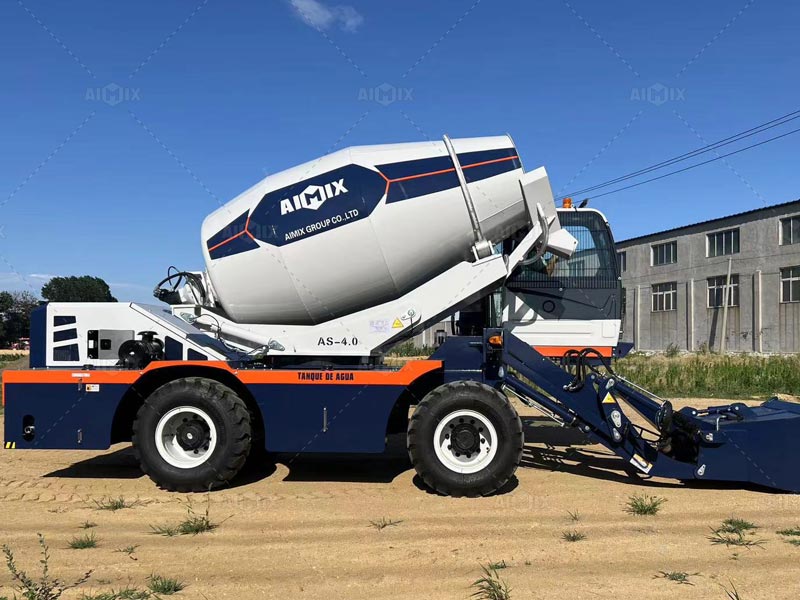
Using a highly maneuverable portable mixer concrete unit resolves these spatial and distance bottlenecks. These compact systems travel easily through narrow backyard gates and unpaved farm lanes. Thus, your ground crew receives highly workable concrete exactly when they need it. This immediate placement prevents cold joints and ensures excellent structural durability.
Technical Sizing Parameters for Sourcing Local Mixing Assets
Procurement officers must analyze their daily concrete volume targets before investing in new machinery. Selecting the wrong equipment leads to high fuel consumption or unexpected site delays. Therefore, choosing a highly automated and versatile unit remains essential.
Selecting Your Primary Mobile and Portable Mixers
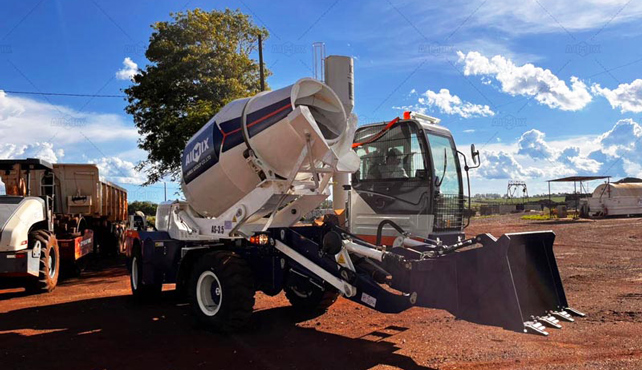
Traditional small mixing setups require separate wheel loaders or intense manual labor. However, integrating a modern self loading mixer concrete machine eliminates these separate support units. This specialized vehicle features an attached front shovel to scoop sand and gravel independently.
Furthermore, an onboard computerized scale measures each raw material with high precision. The operator monitors these weight measurements on a digital screen inside the cabin. Consequently, you achieve complete compliance with strict civil engineering strength formulas. This self-contained layout reduces your daily crew payroll expenses significantly.
If your projects require smaller batches, a towable portable mixer concrete offers excellent value. These units feature strong steel frames that resist cracking under continuous loads. Additionally, they are easy to transport behind standard utility vehicles.
However, manual aggregate loading often introduces human errors in cement-to-water ratios. Thus, investing in motorized self-loading models represents a more reliable long-term strategy. These integrated vehicles combine transport, weighing, and mixing on a single mobile chassis.
Ultimately, finding a durable concrete mixer kenya suppliers can support protects your capital investment. You must match the machine automation level directly to your site conditions. This careful matching maximizes your overall fleet productivity on every shift.
Financial Analysis and Capital Return for Kenyan Fleet Managers
Investing in a dedicated mixing machine represents a major financial decision for local builders. Consequently, managers must calculate the true cost of ownership alongside long-term fuel savings.
Reducing Local Crew Labor and Support Fleet Costs
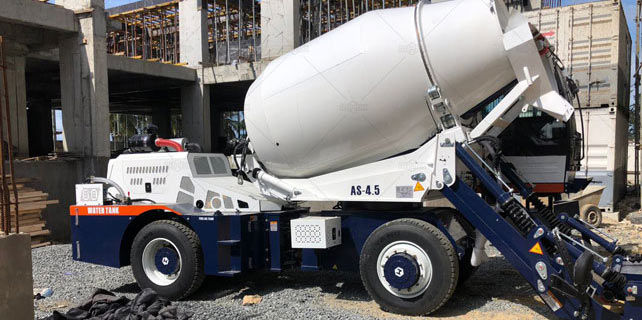
A self-loading unit consolidates multiple equipment roles into a single wheeled chassis. Specifically, one machine replaces a tractor loader and a standard transit truck. This consolidation reduces your daily diesel consumption significantly.
Furthermore, a single trained operator can manage the entire on-site mixing cycle alone. Consequently, you save on labor costs and eliminate concrete over-ordering waste. Most active contractors experience complete asset amortization within twelve months. These operational savings directly improve your competitive bid margins.
Compliance with KeRRA and KURA Construction Standards
Local municipal projects must adhere to strict road structural guidelines to secure public funding. Therefore, ensuring precise aggregate ratios remains critical for civil contract compliance.
Maintaining High Compressive Strength for Public Utility Paving
KeRRA projects demand uniform aggregate thickness to prevent premature road cracking under heavy trucks. Hand-mixed concrete often fails these strict quality inspections due to manual volume errors.
Using a computerized mobile mixer concrete unit guarantees exact aggregate-to-cement ratios. Electronic load cells measure each raw material before the drum starts rotating. Consequently, you produce concrete that matches national highway strength specifications. This consistent quality protects your professional reputation and prevents costly project rejections.
Essential Field Maintenance for Dusty and Hot Climates
Operating heavy aggregate machinery in Kenya puts intense physical stress on mechanical components. Fine aggregate dust can easily contaminate engine oil and damage high-pressure hydraulic seals. Therefore, your site crew must implement a strict daily maintenance checklist.
Daily Cleaning and Wear Part Upkeep Protocols
First, wash the interior of the mixing vessel thoroughly with water after every shift. Wet concrete sets rapidly in high ambient temperatures. This buildup destroys internal mixing blades and reduces drum capacity over time.
Second, inspect all hydraulic lines and seals daily for signs of oil wear or leaks. Spotting small leaks early prevents sudden system failures during active concrete pours. Third, apply high-quality grease to the main rollers every single morning.
Additionally, clean the engine air filters regularly to prevent dust contamination. High-temperature climates require robust radiator cooling systems. Therefore, monitor coolant levels closely to prevent engine overheating during hot afternoon shifts. Proactive care significantly lowers your subsequent repair bills.
Strategic Sourcing and Supplier Support Networks in Kenya
Purchasing heavy construction machinery represents a major long-term capital investment for your company. Therefore, you must evaluate regional support networks in addition to the initial machine price. Partnering with a reliable equipment supplier keeps your projects running on schedule.
Verifying Local Spare Parts and Operator Training
Always choose machinery suppliers who maintain a robust local parts warehouse in Kenya. Having replacement hydraulic valves nearby prevents weeks of costly shipping delays. Local technical support minimizes machine downtime and protects your project timeline.
Additionally, ask about operator training programs and warranty coverage before making a final purchase. Proper operator training reduces mechanical wear and lowers maintenance bills. A comprehensive warranty secures your investment and guarantees peace of mind.
Using a reliable mobile mixer concrete system provides outstanding operational freedom. This strategic asset purchase secures your project timeline and enhances business profitability. Align your capacity with your daily volume targets to select the perfect model today.