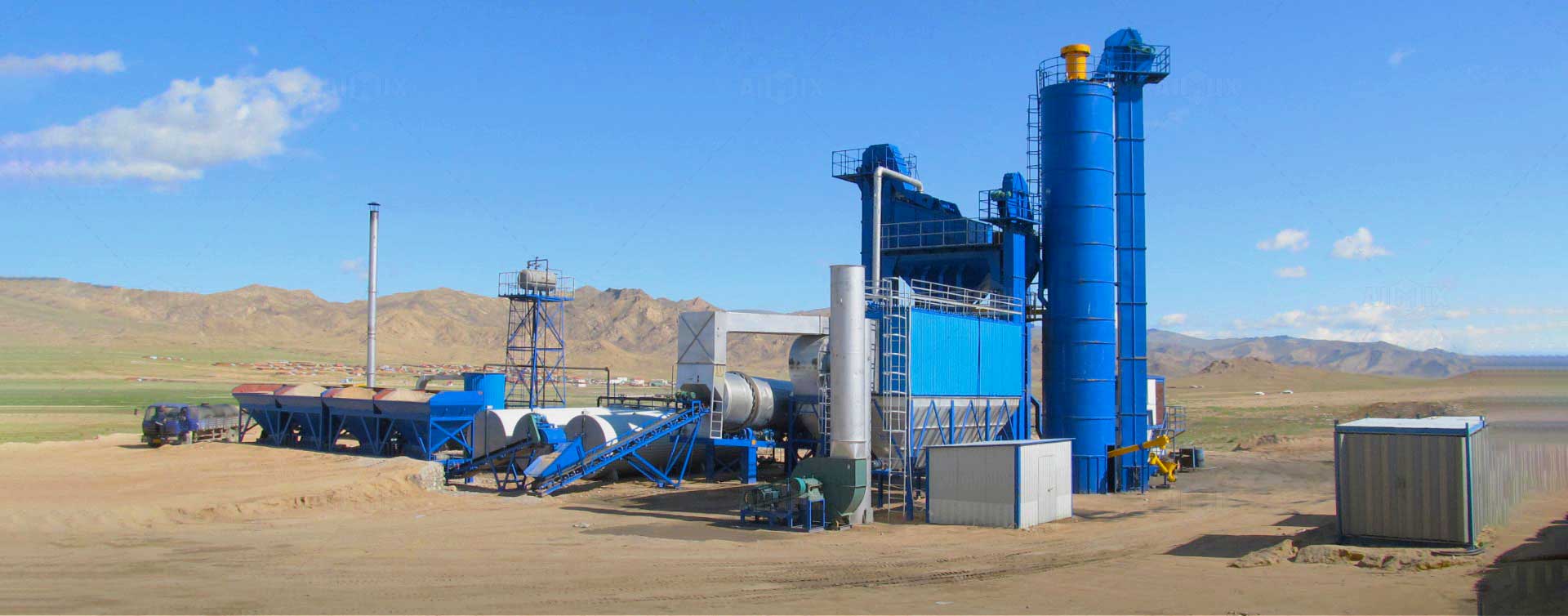
Procurement compliance officers configuring an asphalt batch plant must weigh long-term fuel efficiency metrics against total asphalt plant cost calculations, since equipment offering the lowest acquisition price frequently carries combustion inefficiencies that generate substantially higher cumulative fuel expense across extended operational lifecycles. This balancing challenge becomes more complex when coordinating production output with subgrade soil stabilizing plants and downstream paving operations, since software integration synchronization parameters must align material flow timing across three distinct equipment categories that traditionally operate as independent systems rather than as a coordinated production sequence.
Calculating True Cost Beyond Initial Acquisition Price
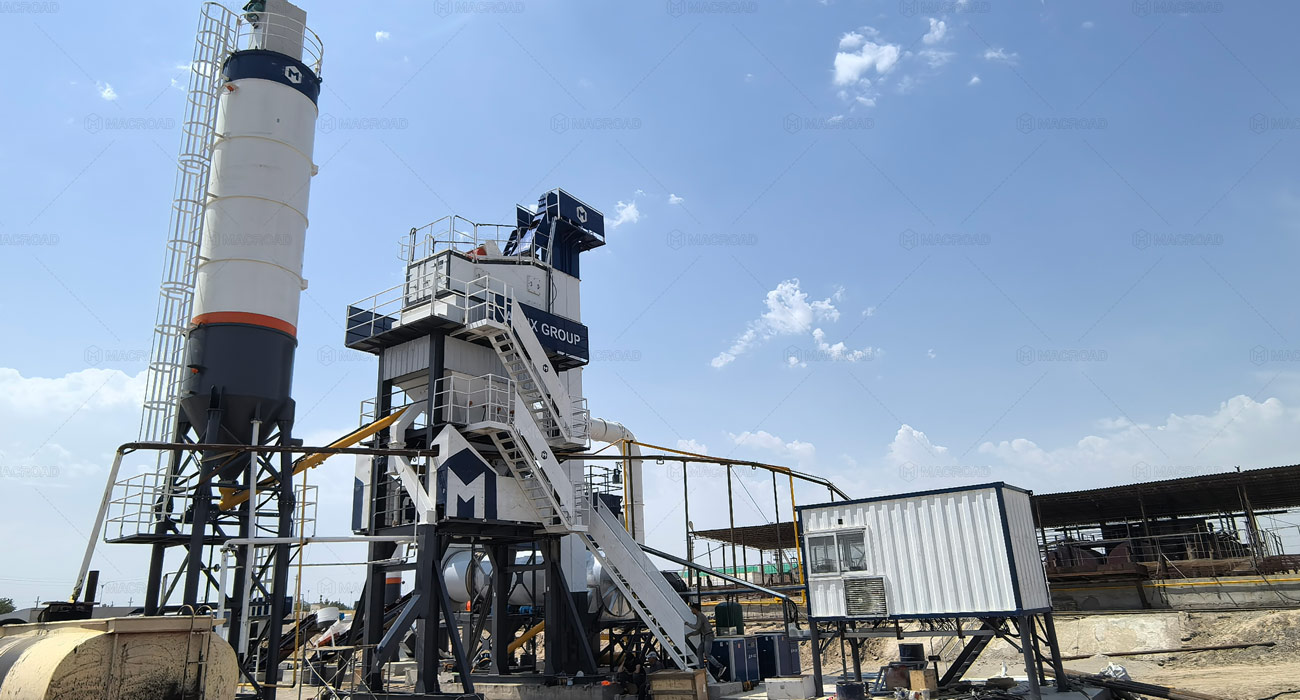
Comparing asphalt plant cost across competing equipment options solely through purchase price overlooks how dramatically fuel consumption efficiency varies between burner designs, particularly during the partial-load operating conditions that characterize much real-world production scheduling rather than the peak-capacity figures manufacturers typically advertise. A batch plant equipped with multi-stage burner controls capable of scaling fuel delivery proportionally to actual thermal demand may carry higher upfront cost yet recover that differential within two to three years through reduced consumption, particularly on projects involving frequent production rate changes that fixed-output combustion systems handle poorly.
Compliance officers should request documented fuel consumption curves spanning the full operational range rather than accepting single-point efficiency claims, since equipment performing adequately at maximum capacity may still consume considerably more fuel than necessary during the variable production schedules that coordinated multi-site projects typically demand. Calculating realistic total asphalt plant cost requires projecting fuel expense across anticipated operating conditions specific to the project at hand, rather than relying on generic efficiency percentages that manufacturers calculate under idealized laboratory testing rather than field conditions.
Synchronizing Production With Stabilization and Paving Sequences
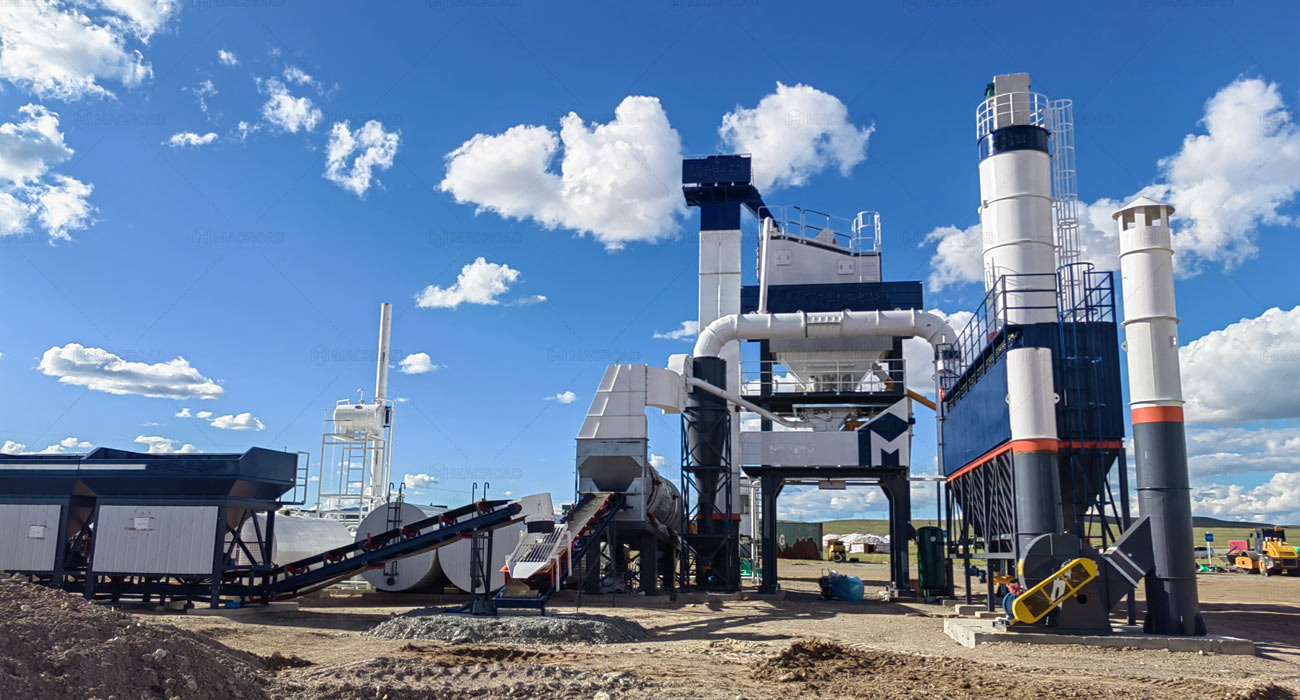
Coordinating asphalt batch plant output with soil stabilizing plants requires software architecture that tracks subgrade preparation progress in real time, since paving operations cannot commence until stabilized soil achieves adequate curing strength, meaning batch plant production scheduling must account for this upstream timing dependency rather than operating on a fixed independent schedule. Integration platforms achieving this synchronization typically rely on shared timestamp protocols and standardized data exchange formats that allow each piece of equipment to report status updates into a common scheduling system accessible across the entire project sequence.
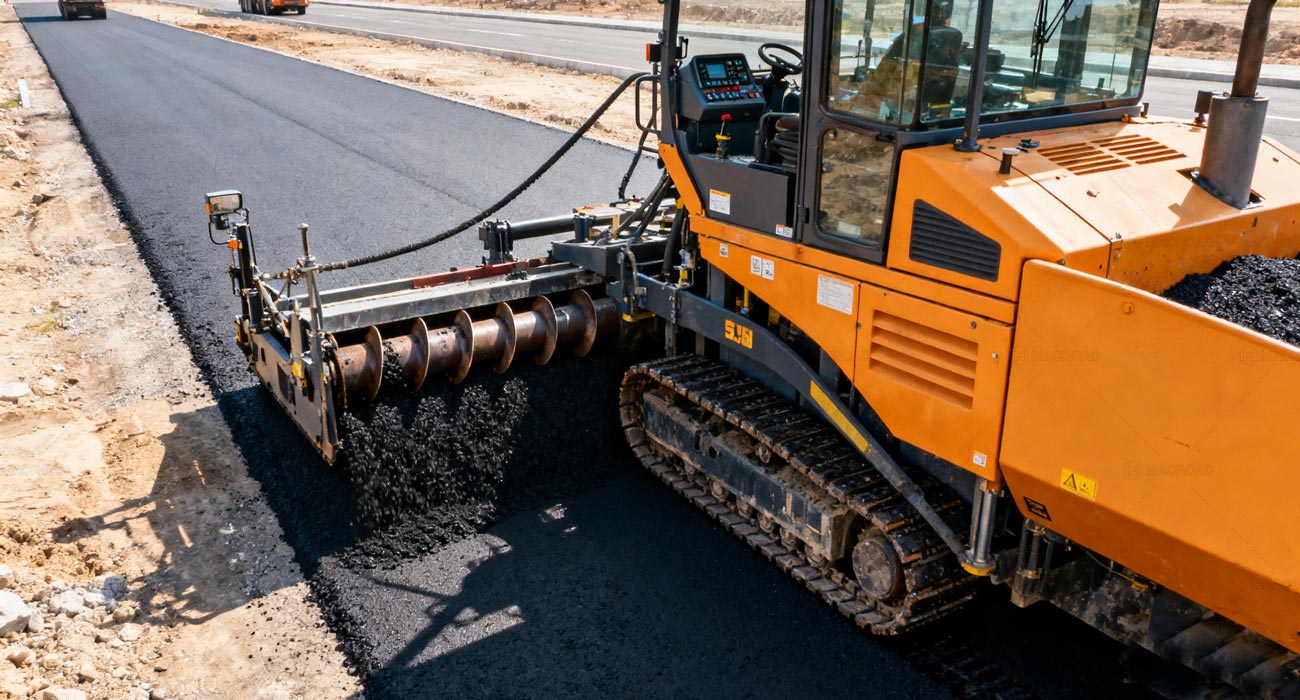
Downstream coordination with an automated asphalt paver introduces additional synchronization complexity, since paver consumption rate varies continuously based on travel speed and ambient temperature conditions affecting material cooling during transit from batch plant discharge. Software parameters governing this final coordination stage must calculate material dispatch timing that accounts for transit duration and temperature loss simultaneously, ensuring that batch plant production rhythm matches paver demand without creating either hopper depletion that interrupts paving or excess inventory that risks material cooling below placement specifications.
Unified Platform Architecture Reduces Coordination Failures
Achieving reliable synchronization across batch plant, soil stabilizing plants, and paving operations generally requires unified telematics architecture rather than attempting to bridge separate proprietary systems through ad hoc integration efforts that frequently introduce communication gaps. Procurement officers evaluating equipment should specifically verify that batch plant control systems support open communication standards compatible with stabilization and paving equipment from various manufacturers, since vendor lock-in around proprietary protocols often forces costly workarounds when project equipment originates from different suppliers.
This compatibility consideration should factor into total asphalt plant cost evaluation alongside fuel efficiency metrics, since equipment requiring expensive custom integration work to achieve basic coordination with other project equipment effectively carries hidden cost that initial pricing comparisons rarely capture. Compliance officers conducting thorough procurement analysis should request documentation confirming actual field deployment examples where synchronized coordination across all three equipment categories was successfully achieved using the proposed software architecture.
Conclusion
Configuring an asphalt batch plant requires procurement compliance officers to balance fuel efficiency projections against asphalt plant cost calculations that account for realistic operating conditions rather than peak-performance marketing figures alone. Achieving reliable software synchronization with soil stabilizing plants and automated asphalt paver operations demands unified telematics architecture supporting open communication standards, ensuring that production scheduling across all three equipment categories functions as a coordinated sequence rather than three independently operating systems prone to costly timing mismatches.