Malaysia’s construction industry is increasingly characterized by geographically dispersed projects rather than long-term developments concentrated in a single location. Highway upgrades, industrial parks, residential communities, renewable energy facilities, and public infrastructure are often built simultaneously across different states. For contractors, this means equipment must be relocated more frequently to keep pace with changing project schedules. Under these conditions, the efficiency of moving a concrete batching plant can have a significant impact on project profitability.
Traditional stationary concrete plants are designed for long production cycles at fixed locations. Although they offer high output, they also require extensive foundations, lengthy installation periods, and considerable labor during dismantling and relocation. Every transfer between projects results in production downtime, additional transportation expenses, and delayed project commencement. A mobile fast-install concrete plant addresses these challenges by reducing installation complexity and accelerating relocation. The investment is therefore evaluated not only by concrete plant price but by the financial return generated through improved project continuity, lower operating costs, and greater equipment utilization.
Why Frequent Project Transfers Change the Investment Equation
Downtime Becomes a Hidden Operating Cost
Many contractors calculate equipment costs based on purchase price, fuel consumption, and maintenance. However, for businesses that relocate concrete production several times each year, downtime often becomes the largest invisible expense. Every day spent dismantling, transporting, reinstalling, and commissioning a conventional batching plant represents a day without concrete production.
Project delays affect more than batching operations. Concrete pumps, delivery trucks, labor teams, and subcontractors may remain idle while waiting for production to resume. These indirect costs accumulate rapidly, particularly on projects with strict completion deadlines or contractual milestone requirements.
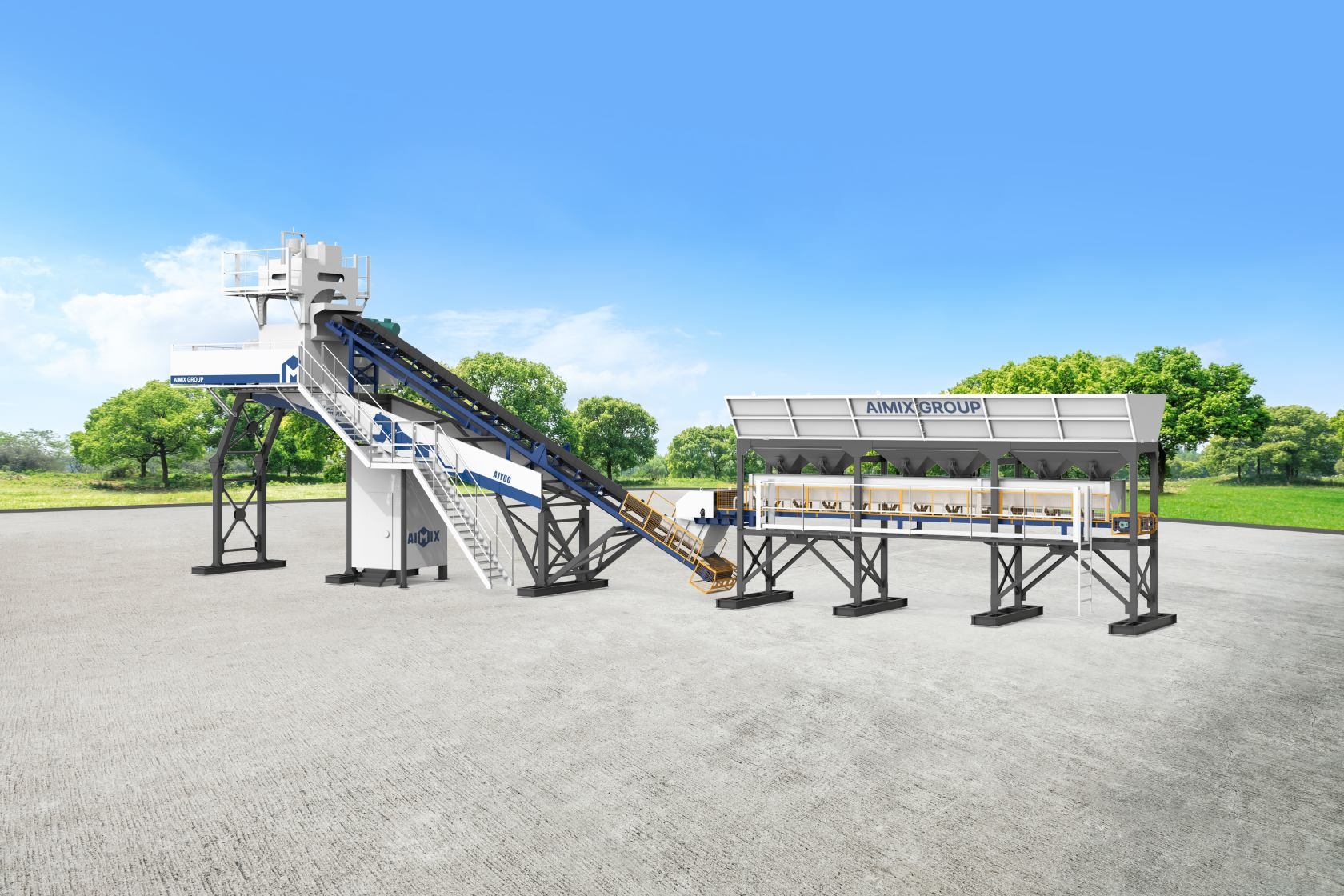
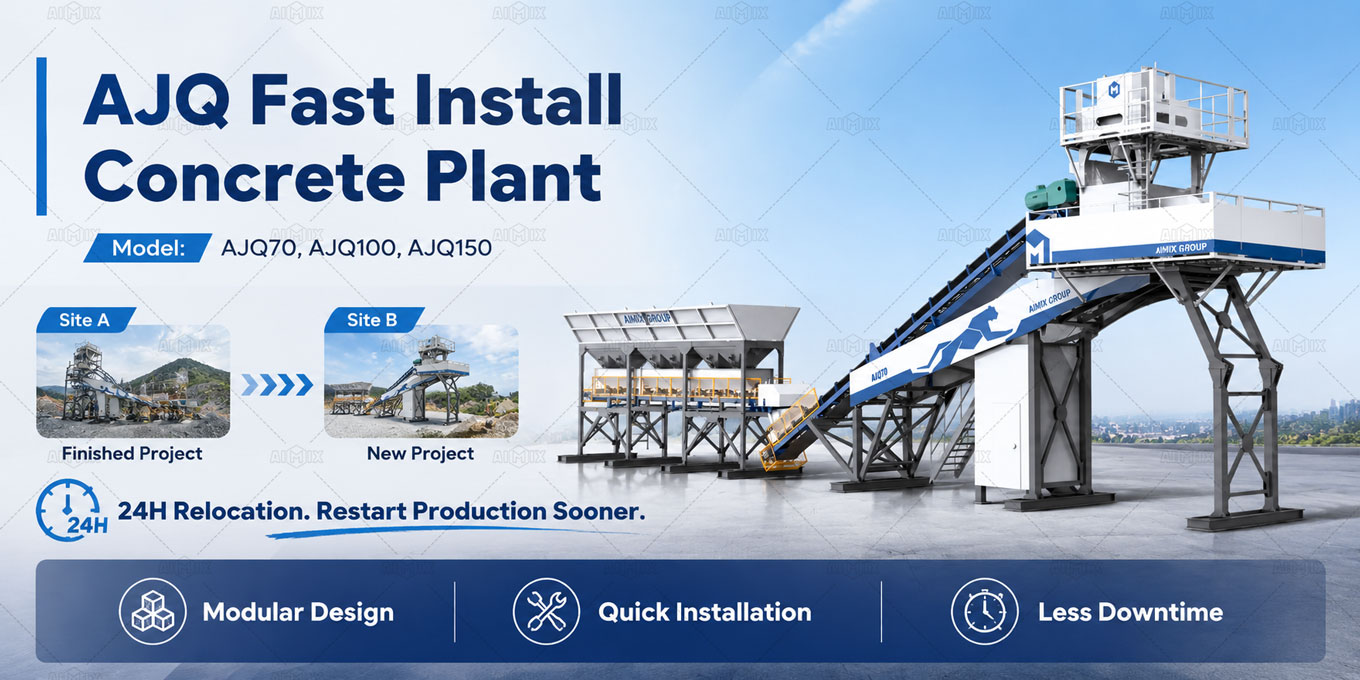
A mobile fast-install concrete plant significantly shortens this transition period. By reducing installation time from weeks to days—or even hours for certain modular configurations—contractors recover productive operating time that directly contributes to revenue generation.
Malaysia’s Project Distribution Favors Mobile Solutions
Construction activity in Malaysia is spread across diverse regions, including Peninsular Malaysia, Sabah, and Sarawak. Contractors frequently undertake road construction, industrial developments, commercial buildings, and government infrastructure projects in different locations within relatively short timeframes.
This operational environment rewards equipment that can be transferred efficiently. A batching plant capable of rapid relocation enables contractors to respond more quickly to new project opportunities while minimizing interruptions between contracts. Instead of remaining tied to a completed site, production assets can begin supporting the next project with minimal delay.
Where the Return on Investment Comes From
Lower Installation and Relocation Expenses
One of the most measurable financial advantages of a mobile fast-install concrete plant is the reduction in relocation costs. Modular structures, integrated components, and simplified assembly procedures require fewer workers, less crane time, and shorter commissioning periods than conventional stationary plants.
The savings become increasingly significant as relocation frequency rises. A contractor moving a batching plant in Malaysia once every several years may experience only modest financial benefits. Conversely, companies transferring equipment multiple times annually can substantially reduce cumulative installation expenses over the equipment’s operating life.
Higher Equipment Utilization Improves Asset Value
Construction equipment generates value only while it is operating. During transportation and installation, even the most advanced batching plant produces no concrete and generates no revenue.
A fast-install plant spends less time idle and more time in production. This higher utilization rate allows contractors to complete additional projects within the same year without increasing equipment inventory. Greater operational availability effectively increases the return generated by each capital investment.
From an asset management perspective, improving utilization often produces greater financial impact than marginal reductions in equipment purchase price.
Reduced Foundation Requirements Lower Site Preparation Costs
Many mobile fast-install concrete plants are engineered with modular steel structures or foundation-light designs that require only compacted or hardened ground rather than extensive concrete foundations.
For temporary construction sites, this feature reduces excavation work, concrete consumption, and civil engineering expenses before production can begin. It also simplifies site restoration after project completion, helping contractors reduce both initial setup costs and final site recovery expenses.
When multiple temporary projects are involved, eliminating repeated foundation construction can contribute considerable savings throughout the equipment’s service life.
How to Maximize Investment Returns in Malaysia
Select Plant Capacity Based on Project Portfolio
Choosing the highest-capacity batching plant does not necessarily produce the greatest financial return. Contractors should evaluate average concrete demand, project duration, transportation conditions, and expected relocation frequency before determining plant size.
A plant that closely matches actual production requirements generally operates more efficiently than oversized equipment carrying unnecessary transportation weight and operating costs. Capacity planning should therefore focus on long-term fleet utilization rather than individual project peaks.
Evaluate Logistics Alongside Equipment Price
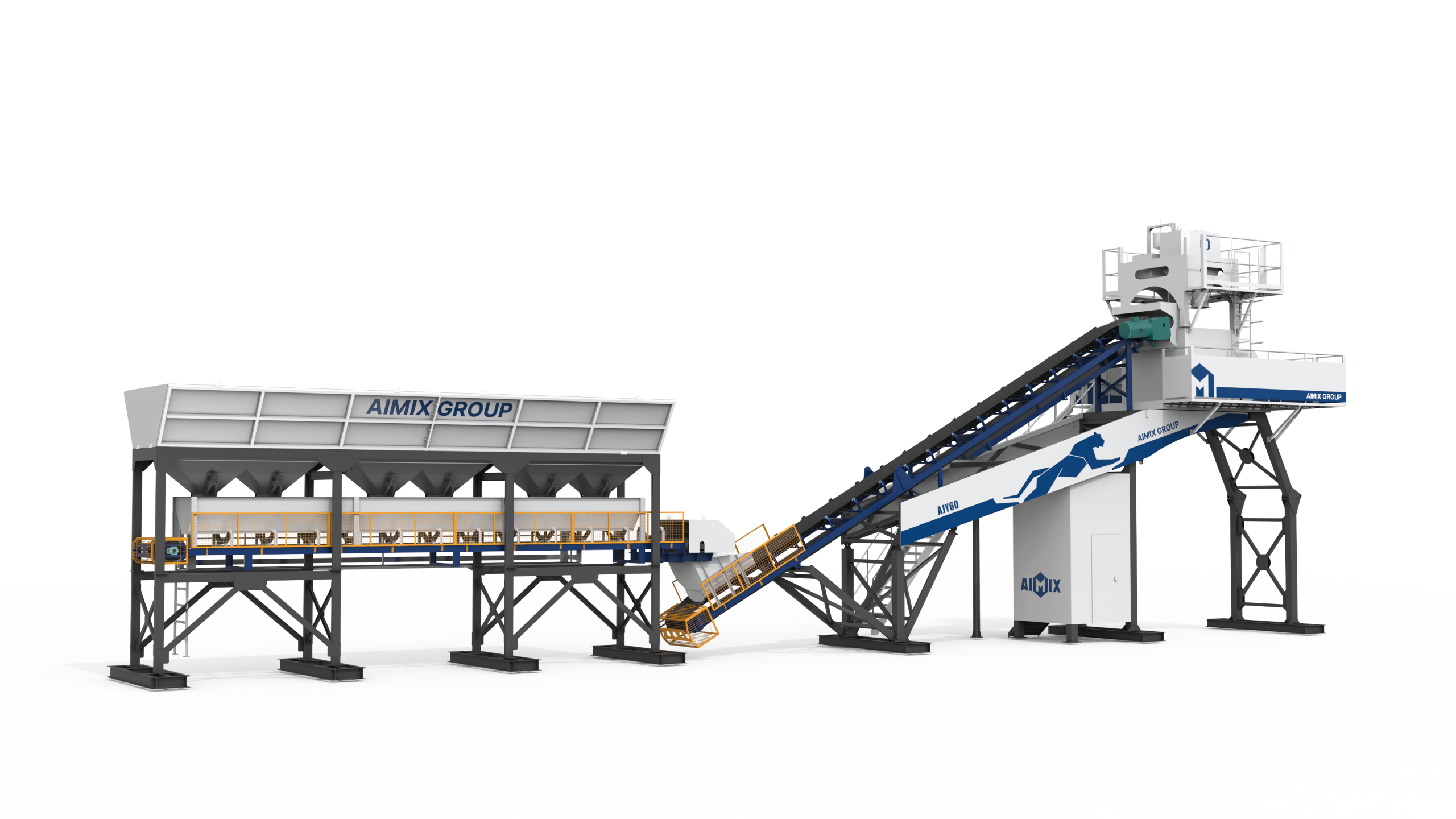
Transportation plays a critical role in the economics of mobile batching plants. Equipment dimensions, transport weight, modular configuration, and container compatibility all influence logistics expenses between manufacturing facilities and Malaysian construction sites.
Plants designed for efficient transportation require fewer trailers, simplify loading procedures, and reduce relocation complexity. These logistics advantages become recurring financial benefits every time the equipment moves to a new project.
Analyze Lifecycle Costs Instead of Initial Investment
A comprehensive investment analysis should extend well beyond the purchase price. Maintenance requirements, spare parts availability, fuel efficiency, installation labor, transportation frequency, production uptime, and expected service life all influence the true cost of ownership.
A mobile fast-install concrete plant for sale with a higher initial price may ultimately deliver lower lifecycle costs if it reduces downtime, shortens relocation periods, and increases annual production capacity. The most profitable investment is therefore not always the least expensive machine but the one that consistently improves operational efficiency throughout its working life.
A Faster Plant Creates Long-Term Competitive Advantages
The return on investing in a mobile fast-install concrete plant extends beyond direct cost savings. Faster relocation enables contractors to respond quickly to new tenders, accelerate project mobilization, and maintain stronger scheduling flexibility. These operational advantages improve competitiveness in a market where construction timelines continue to tighten.
For contractors managing multiple infrastructure, commercial, and residential developments across Malaysia, the ability to transfer concrete production rapidly can become a decisive business advantage. By minimizing downtime, reducing relocation expenses, improving equipment utilization, and lowering site preparation costs, a mobile fast-install concrete plant transforms mobility into measurable financial value. The strongest return on investment is achieved not simply through faster installation, but through keeping concrete production active wherever the next project begins.