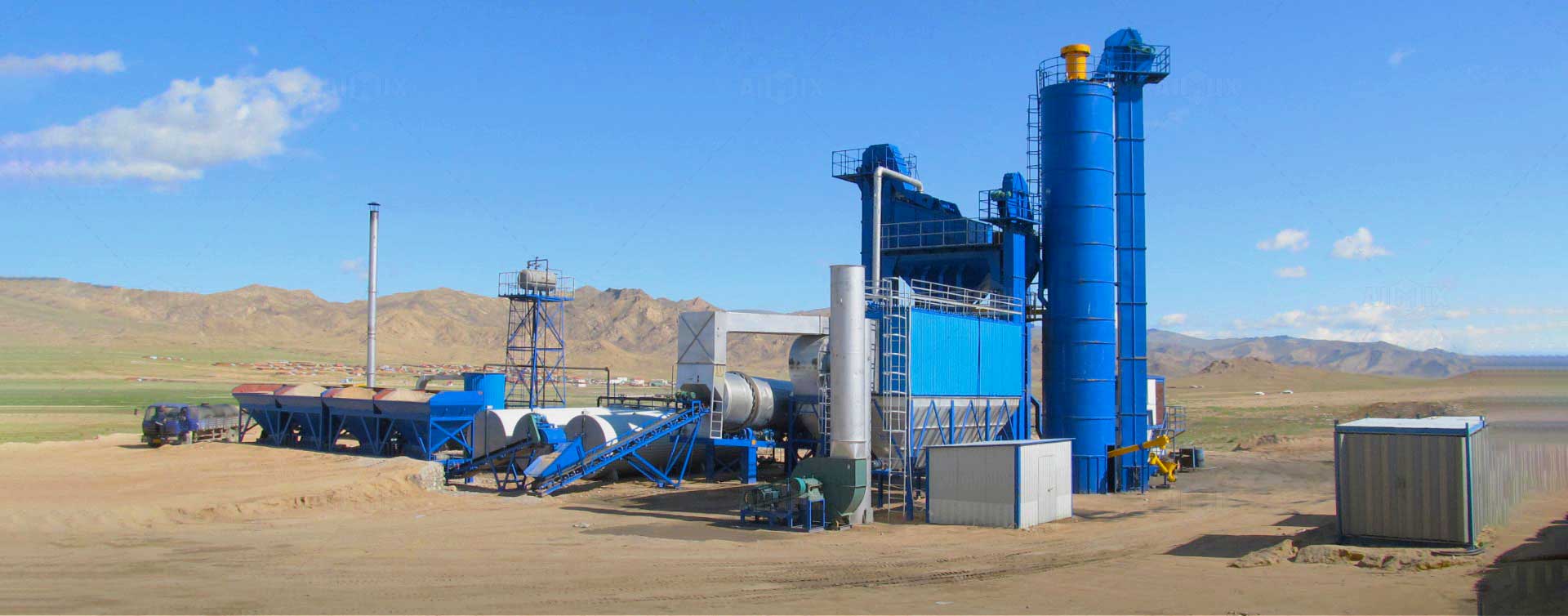
Urban road construction in Botswana is growing steadily as cities expand and infrastructure projects accelerate. Small contractors face unique challenges when working on urban streets. They need equipment that is compact, cost-effective, and efficient. Among the machinery options available, 60–80 TPH portable asphalt plants often emerge as a strong choice. But are they truly the preferred option for small contractors in Botswana? This article explores the factors influencing their choice, practical benefits, and how these plants align with the demands of urban street projects.
Understanding Small Contractors’ Needs in Botswana
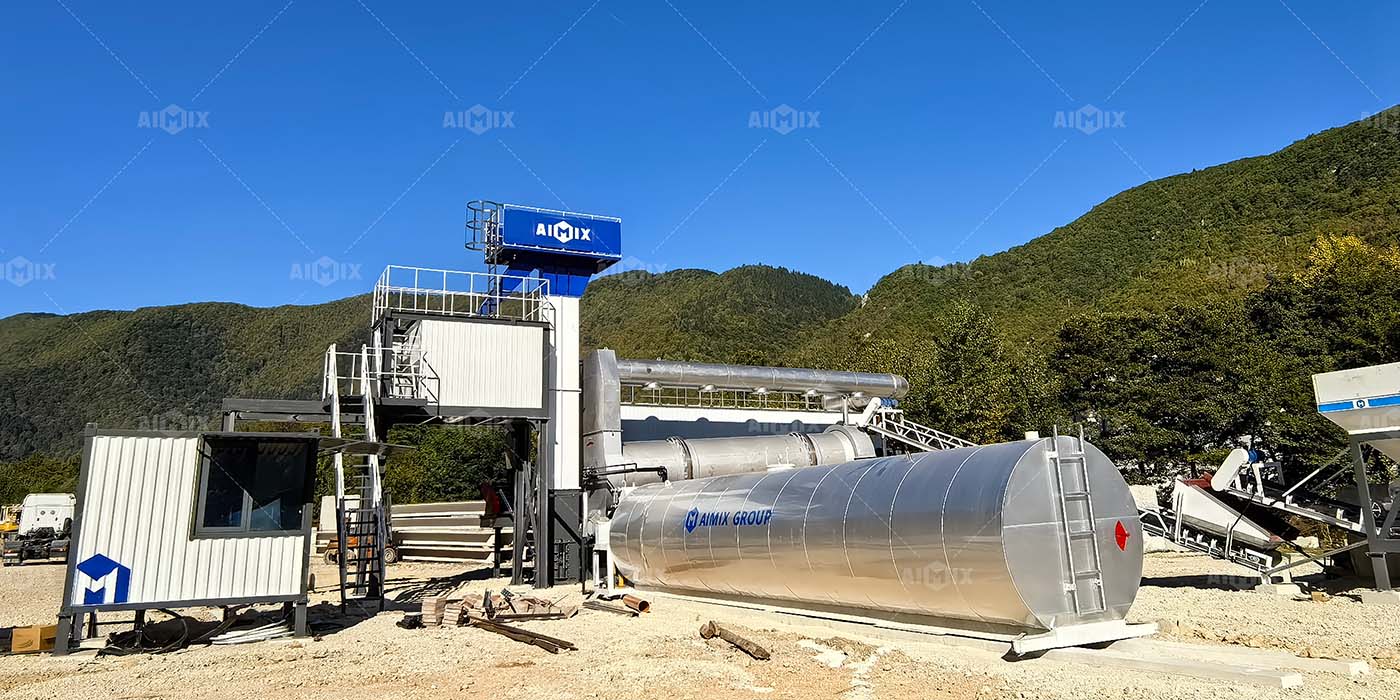
Before evaluating specific asphalt plant capacities, it is crucial to understand the environment in which small contractors operate. Unlike large construction firms, these companies usually handle multiple, smaller-scale projects simultaneously. Urban streets often involve narrow roads, limited working space, and strict traffic management. Therefore, contractors prioritize flexibility and mobility over large production capacities.
Moreover, budget constraints play a significant role. Small contractors often need to balance machinery investment, operating costs, and project timelines. An oversized plant can result in unnecessary fuel consumption and underutilization, leading to financial inefficiency. Consequently, the selection of an asphalt plant is closely tied to practical, operational, and financial considerations.
Project Scale and Asphalt Demand
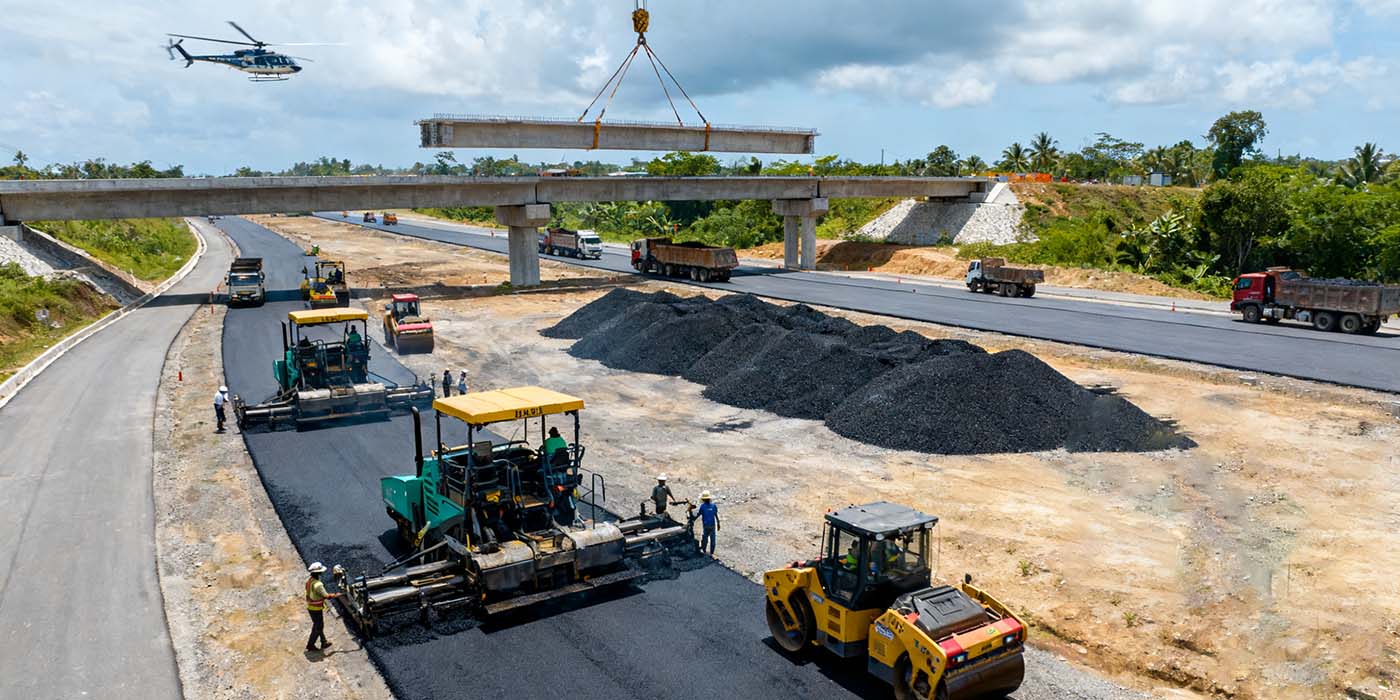
Urban street projects in Botswana typically range from 500 meters to 3 kilometers in length. These projects require smaller batches of asphalt compared to highways or industrial zones. A 60–80 TPH portable asphalt plant can produce between 60 and 80 tons of hot mix asphalt per hour, which aligns well with these project scales. Contractors can complete urban streets efficiently without generating excessive stockpiles of asphalt that may cool down and lose quality.
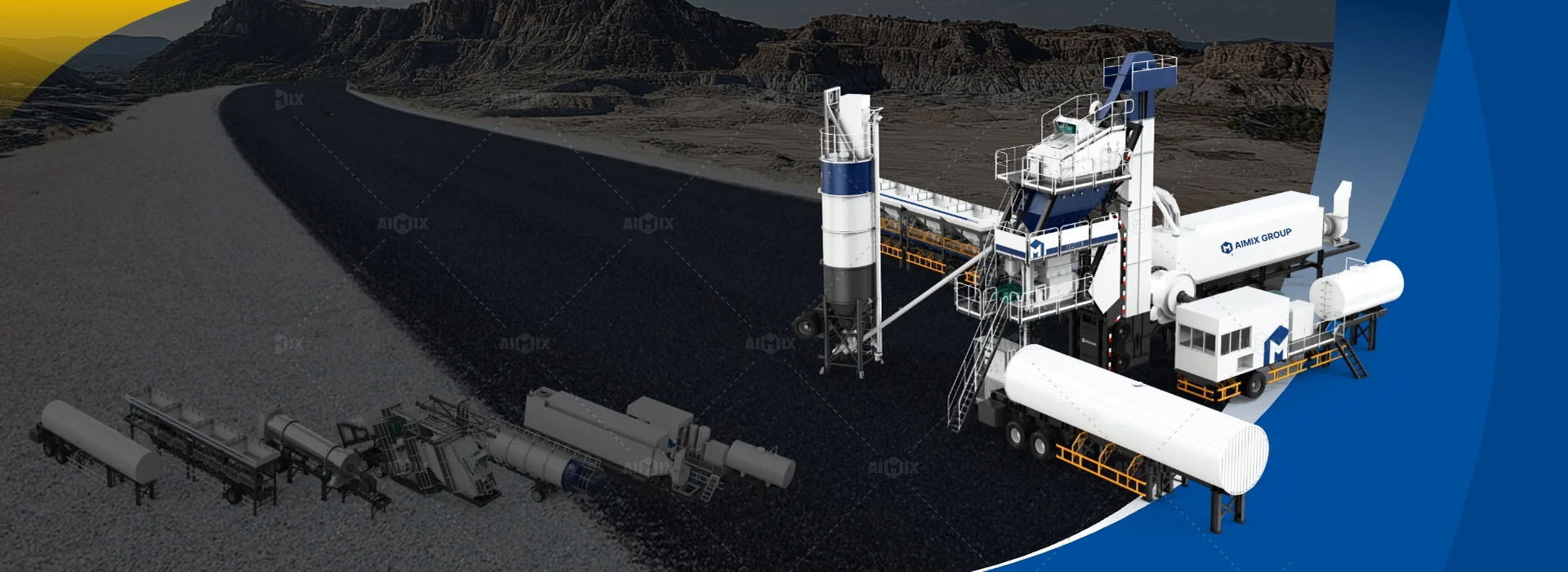
Additionally, the modular design of mobile asphalt mixing plant for sale allows contractors to relocate the unit quickly. If multiple urban streets require paving in different neighborhoods, this mobility reduces downtime and increases project turnover. In contrast, larger stationary plants are less practical for such scattered, small-scale projects.
Advantages of 60–80 TPH Portable Asphalt Plants
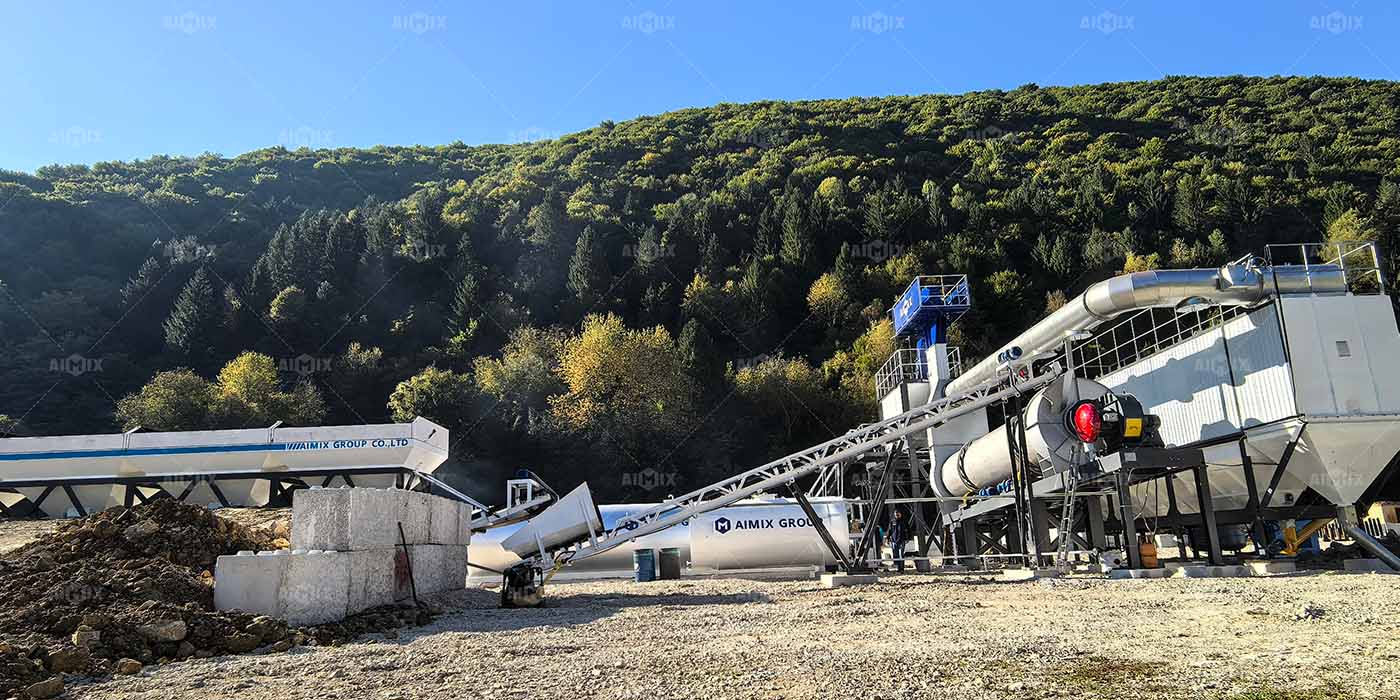
Understanding why small contractors often lean toward 60–80 TPH portable asphalt plants requires examining the direct benefits they provide. These plants offer a combination of operational efficiency, cost-effectiveness, and ease of use that is hard to match with larger or stationary models.
Compact Size and Mobility
Portable asphalt plants are designed with a compact footprint, making them ideal for congested urban areas. Their mobility allows contractors to set up and dismantle the plant quickly, even on streets with limited space. This flexibility reduces project delays caused by restricted site access and allows contractors to respond faster to city planning requirements.
Energy Efficiency and Fuel Savings
Compared to larger plants, 60–80 TPH units consume less fuel, which directly lowers operating costs. Small contractors with limited budgets benefit from this efficiency. Reduced fuel consumption also minimizes environmental impact, which aligns with Botswana’s growing urban sustainability initiatives. Therefore, using an asphalt mixing plant of this capacity allows contractors to balance productivity with environmental responsibility.
Ease of Operation and Maintenance
Small teams often manage these plants without extensive technical support. Modern portable asphalt plants feature user-friendly control systems and straightforward maintenance requirements. Contractors can train staff quickly, reducing reliance on specialized technicians. Less complex machinery also reduces the risk of operational errors and minimizes downtime during urban projects.
Economic Considerations and ROI
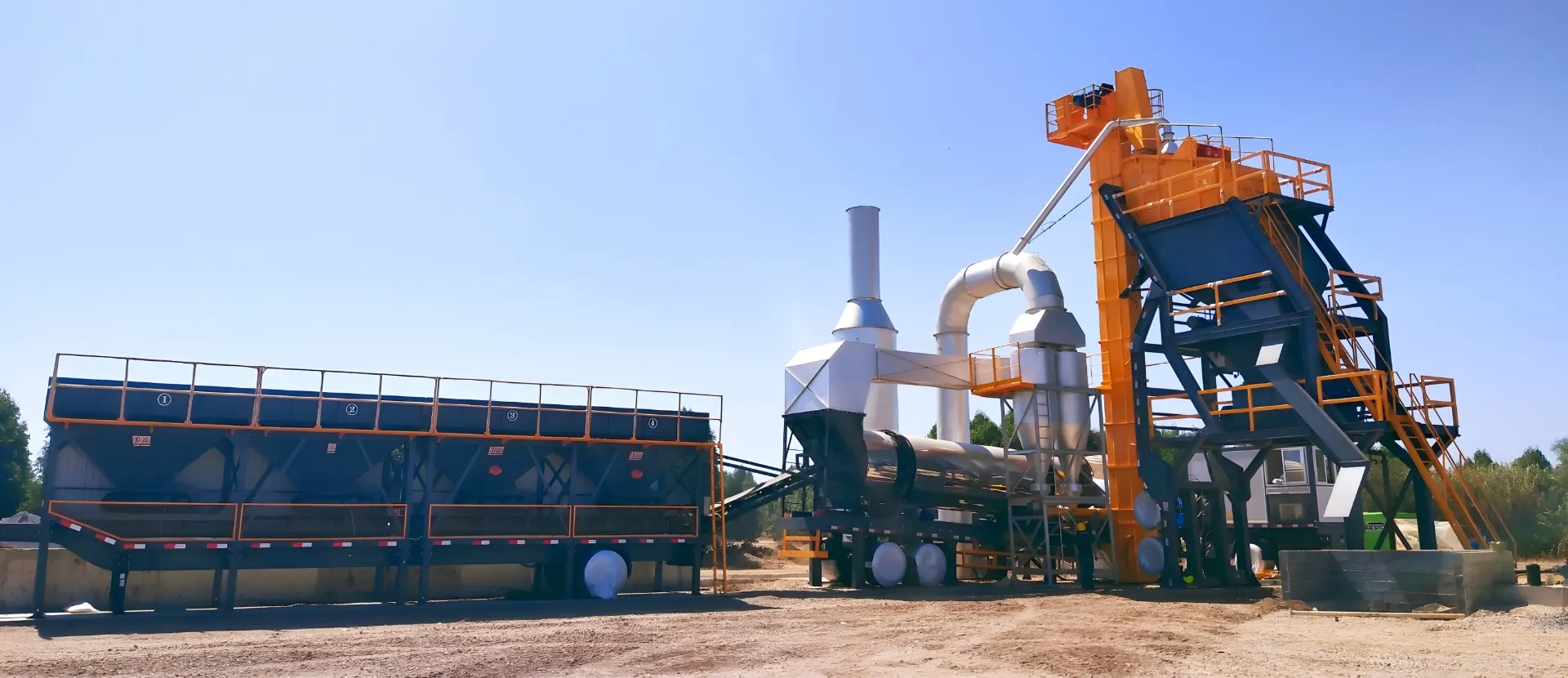
Financial factors significantly influence small contractors’ preferences. The initial investment, operating costs, and potential revenue from completed projects all factor into equipment decisions. A 60–80 TPH portable asphalt plant provides a reasonable balance between affordability and productivity.
Investment vs. Project Volume
Small contractors often evaluate ROI based on the number of urban street projects they can complete within a year. Since urban streets require smaller asphalt volumes, a high-capacity plant may be underutilized. The 60–80 TPH range matches typical project demands, ensuring that contractors get optimal use without overinvesting. This alignment helps recover equipment costs faster and supports sustainable business growth.
Operational Cost Savings
Beyond the initial investment, operational costs such as fuel, labor, and maintenance contribute significantly to overall expenses. Smaller portable plants reduce fuel consumption and require fewer operators, lowering overhead costs. Contractors can allocate saved resources to other project needs, such as materials, traffic management, or additional labor, enhancing overall efficiency and competitiveness.
Case Studies and Market Trends in Botswana
Evidence from local construction markets supports the preference for 60–80 TPH portable asphalt plants. Contractors working in Gaborone and Francistown report that compact plants suit urban projects well. They appreciate the ability to produce high-quality asphalt close to the construction site, minimizing transport costs and ensuring mix quality.
Furthermore, city regulations often limit construction hours and require prompt traffic restoration. Portable plants allow contractors to meet these constraints by producing asphalt on-site, enabling rapid paving and road reopening. As a result, small contractors can maintain a competitive edge by completing projects efficiently while complying with urban guidelines.
Feedback from Contractors
Several small contractors have highlighted that a 60–80 TPH portable plant allows them to take on multiple urban street projects simultaneously. They value the balance between production capacity and mobility. Additionally, portable plants with modular designs enable easy transport between city projects, further supporting flexibility. Contractors also mention reduced waiting times for asphalt delivery from external suppliers, improving project scheduling.
Key Considerations When Selecting a Plant
While the 60–80 TPH portable asphalt plant offers many advantages, contractors should consider several factors to ensure it meets their project needs fully. Site conditions, expected project volume, local regulations, and long-term growth plans all influence the decision.
Site Accessibility
Urban streets in Botswana may have narrow lanes or limited maneuvering space. Contractors must ensure the plant can be positioned without obstructing traffic or nearby residents. Portable plants with a compact and modular structure offer greater flexibility in these situations.
Material Storage and Quality Control
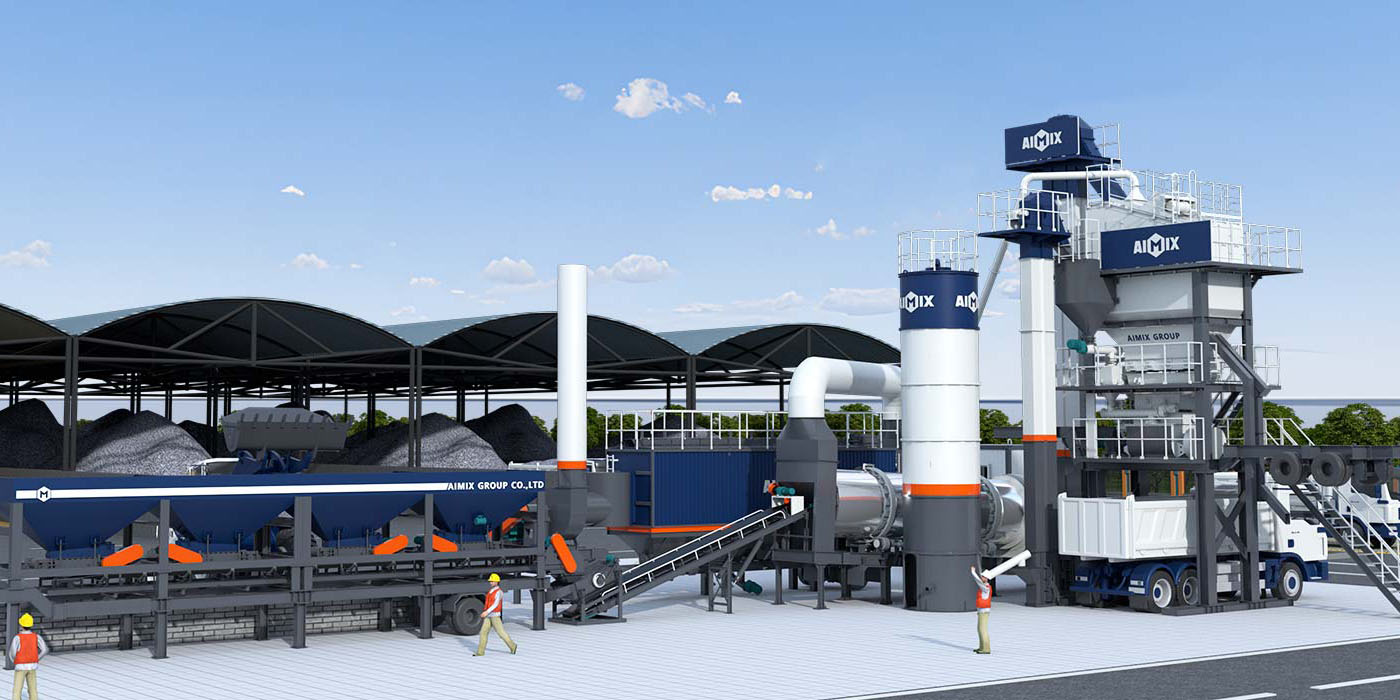
Proper storage of aggregates and bitumen is essential to maintain asphalt quality. Small contractors should evaluate whether the plant includes integrated storage bins and heating systems. Plants that support consistent mixing temperatures and precise control over material ratios help deliver uniform, high-quality asphalt that withstands urban traffic loads.
After-Sales Support and Spare Parts Availability
Local support networks matter for small contractors. Timely access to spare parts, technical assistance, and maintenance services ensures minimal downtime. Selecting suppliers with a reliable presence in Botswana reduces operational risk and contributes to project continuity.
Conclusion: Are 60–80 TPH Portable Asphalt Plants the Right Choice?
For small contractors in Botswana focusing on urban street projects, 60–80 TPH portable asphalt plants present a practical and cost-effective solution. They combine mobility, energy efficiency, ease of operation, and sufficient production capacity to meet typical project demands. Moreover, they help contractors reduce transport costs, comply with urban regulations, and maximize ROI on equipment investments.
Contractors can confidently select a 60–80 TPH plant knowing it will support project flexibility, financial efficiency, and sustainable operations. By aligning machinery choice with project scale, site constraints, and operational needs, small contractors can enhance their competitiveness in Botswana’s growing urban road construction market.
Call to Action
If you are a small contractor in Botswana looking to optimize urban street projects, consider investing in a 60–80 TPH portable asphalt plant. Evaluate your project scale, site conditions, and budget carefully. Speak with experienced suppliers who can guide you in selecting a plant tailored to your needs. Start boosting your productivity, controlling costs, and delivering high-quality asphalt projects today.