In mid-to-large scale infrastructure construction—ranging from high-rise commercial complexes and massive water conservancy dams to regional transportation hubs—the stability, quality, and volumetric supply of concrete are critical factors determining overall project timelines and structural integrity. Selecting the right concrete mixing equipment requires a thorough understanding of project scale, site duration, and continuous production demand. In modern engineering, combining robust stationary plants with flexible small units has proven to be an optimal strategy for balancing high production efficiency with local flexibility.
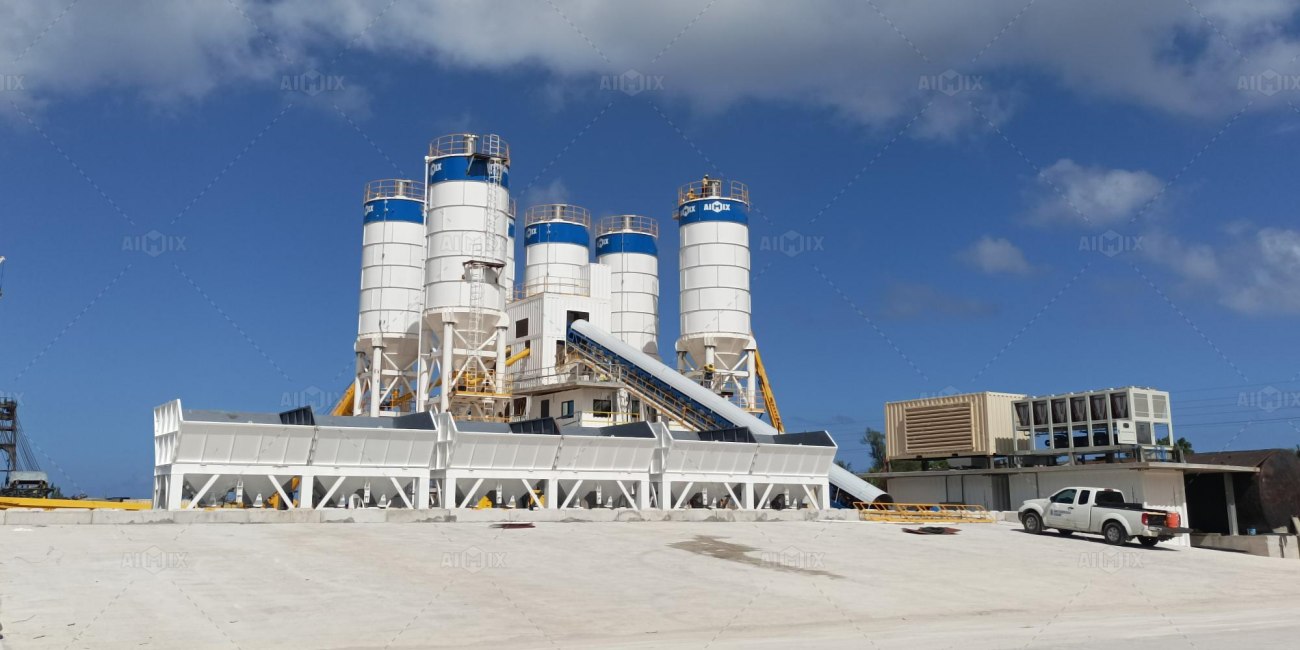
High-Capacity Output: The Backbone of Infrastructure Projects
For long-term, high-demand infrastructure developments such as large water conservancy projects, bridge foundations, and urban high-rise developments, continuous and high-volume concrete supply is indispensable. In these scenarios, investing in a high-performance stationary concrete batching plant for sale ensures stable operational efficiency, precise weighing systems, and heavy-duty mixing performance capable of running continuously under demanding conditions.
Stationary plants are designed with heavy-duty structural frames, high-capacity aggregate bins, and advanced double-shaft mixers to ensure consistent homogeneity of the concrete mix. They are ideal for central mixing hubs or permanent concrete production facilities servicing multiple nearby job sites.
Strategic Role of Small Concrete Batching Plants
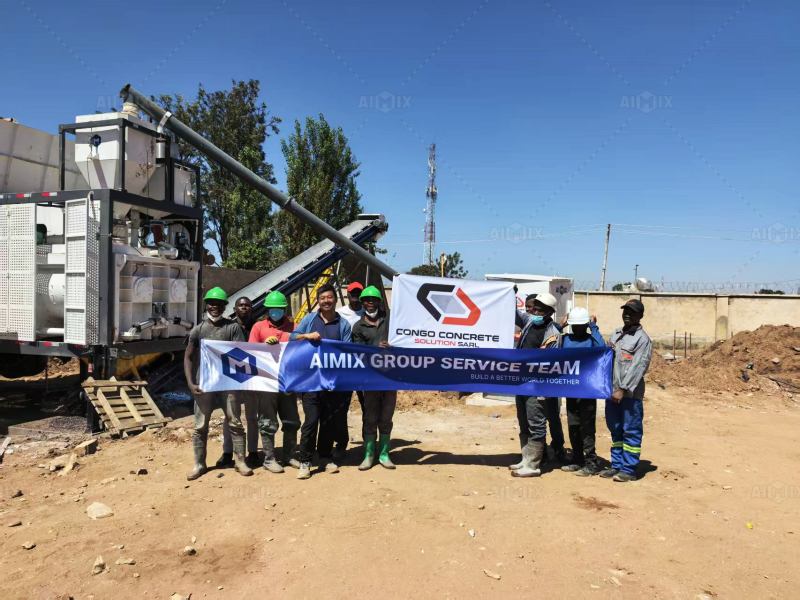
While central stationary plants handle the bulk demand of major structures, large-scale project sites often feature auxiliary tasks, remote sub-sections, or tight spatial constraints where large equipment installation is impractical. In such cases, deploying auxiliary small concrete batching plants sale options offers an effective solution to bridge operational gaps.
Small batching plants provide quick installation, lower footprint requirements, and minimal site preparation costs. They allow contractors to produce high-quality concrete directly at secondary construction sites, rural access roads, or specialized precast yards, significantly reducing internal transit times and transportation costs.
Commercial Readiness and Custom Batching Configurations
For commercial concrete suppliers and infrastructure contractors seeking scalable solutions, selecting a full-featured ready mix plant for sale allows seamless integration of automated control systems, environmental dust collection, and efficient material handling networks. These facilities ensure compliance with strict environmental regulations while maximizing daily output capacity.
Furthermore, evaluating technical specifications—such as aggregate batching types, mixer capacities (twin-shaft, planetary, or drum mixers), powder silo storage, and automated PLC control systems—is essential before finalizing equipment procurement. To explore detailed specifications, structural designs, and tailored engineering setups, contractors can review the full range of concrete batching plant models designed for diverse construction demands.
Achieving maximum efficiency in mid-to-large scale infrastructure projects relies on a well-coordinated mixing plant setup. By deploying stationary concrete batching plants as the primary production engine and complementing them with small batching units for flexible, targeted operations, contractors can optimize supply logistics, maintain high concrete quality, and keep construction schedules strictly on track.