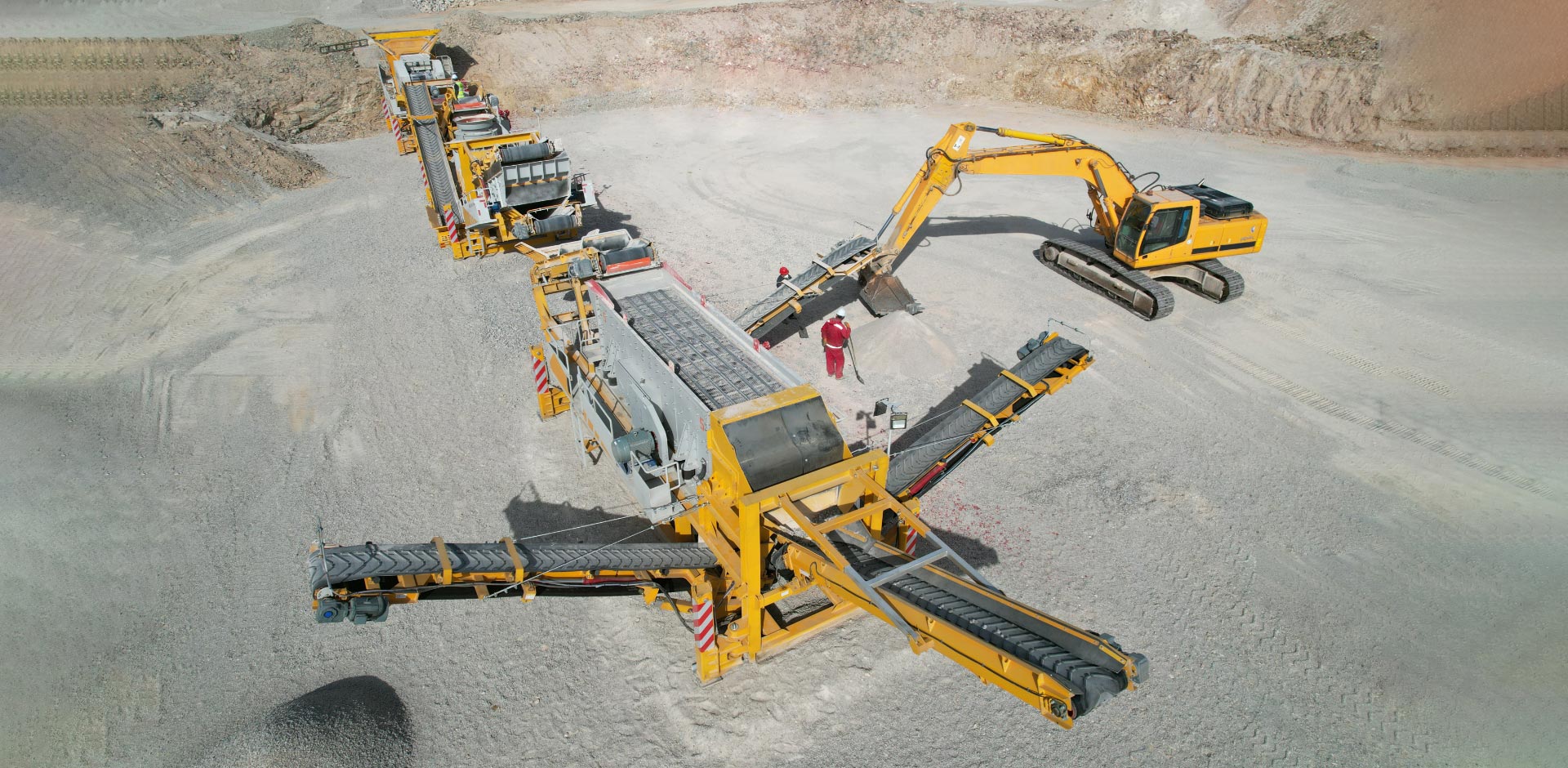
In today’s construction-driven economy, the demand for high-quality aggregates is increasing rapidly. Concrete production relies heavily on consistent and well-graded crushed stone, making stone crushing systems a core part of the supply chain. Understanding stone crusher plant cost in the concrete production industry is essential for contractors, investors, and material suppliers who want to enter or expand in this sector.
The investment is not just about purchasing equipment—it involves planning production capacity, selecting the right configuration, and ensuring long-term operational efficiency. With global infrastructure expansion, markets such as the crushing plant in the Philippines and stone crusher plants in Chile are showing strong growth potential, while the overall stone crusher plant business continues to attract new investors worldwide.
Key Factors Influencing Stone Crusher Plant Cost
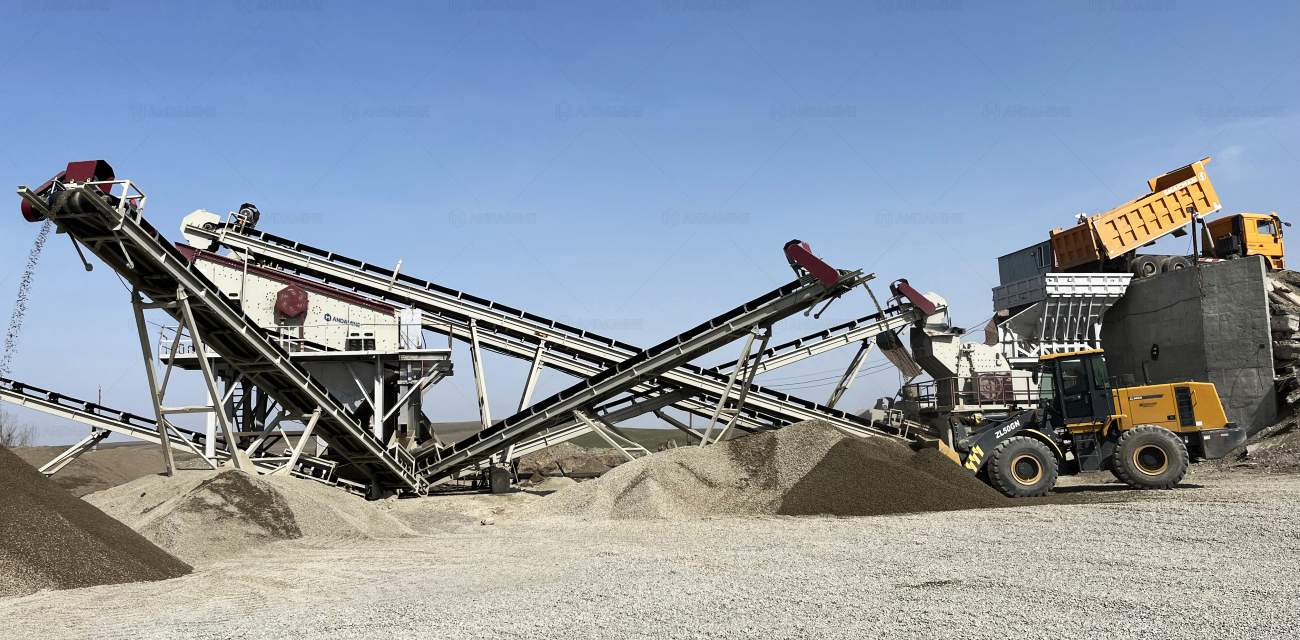
The cost of a stone crusher plant depends on several critical factors. The first is production capacity. Small plants designed for local concrete supply may require lower investment, while large-scale systems for highway or commercial concrete production demand significantly higher capital.
Another major factor is the type of crushing equipment used. Jaw crushers, cone crushers, and impact crushers each have different cost structures and performance capabilities. Multi-stage crushing systems increase initial investment but improve aggregate quality, which directly benefits concrete strength and consistency.
Automation level also plays an important role. Modern plants equipped with PLC control systems, intelligent feeding, and real-time monitoring systems cost more upfront but reduce labor expenses and improve long-term efficiency.
Role of Stone Crusher Plants in Concrete Production
In the concrete production industry, aggregates account for a large portion of total material volume. A stable supply of crushed stone ensures consistent concrete quality and reduces production interruptions.
A well-designed stone crusher plant produces aggregates in different sizes required for ready-mix concrete, precast elements, and infrastructure projects. Without a reliable crushing system, concrete batching plants cannot maintain stable output quality or cost efficiency.
This is why many contractors integrate crushing systems directly into their material supply chain instead of relying on external suppliers. By doing so, they gain better control over material cost and availability.
Investment Opportunities in the Philippines Market
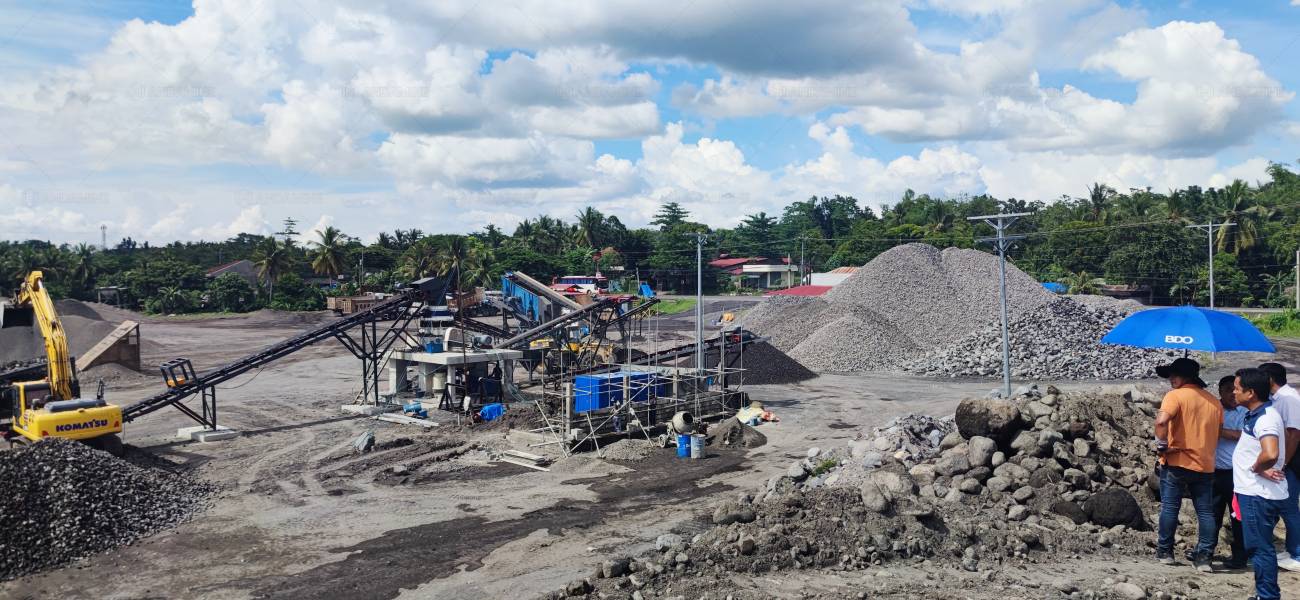
The crushing plant in the Philippines market has grown significantly due to rapid infrastructure development, including road networks, urban expansion, and public construction projects.
Investors entering this market benefit from strong local demand for aggregates used in concrete production. However, transportation logistics and island geography make on-site or nearby crushing plants more cost-effective than importing materials from distant sources.
As a result, mobile and semi-mobile crushing plants are particularly popular in the Philippines. Although initial investment may vary depending on configuration, the long-term return is often strong due to consistent construction demand and government infrastructure spending.
Growth of Stone Crusher Plants in Chile
The mining and construction industries are major drivers of demand for stone crusher plants in Chile. With abundant mineral resources and large-scale infrastructure projects, Chile presents strong opportunities for aggregate production businesses.
In Chile, stone crusher plants are often used not only for construction aggregates but also for mining support infrastructure such as haul roads, foundations, and processing facilities. This dual application increases equipment utilization rates and improves investment returns.
However, terrain and remote mining locations can increase installation and transportation costs. Therefore, durability and mobility become key considerations when calculating total plant investment in this region.
Understanding the Stone Crusher Plant Business Model
The stone crusher plant business is fundamentally based on producing and supplying aggregates to construction and infrastructure projects. Revenue is generated by selling crushed stone in different sizes depending on market demand.
Profitability depends on raw material availability, production efficiency, energy and maintenance costs, market pricing, and transportation distance to customers.
Businesses that control their own crushing operations often achieve higher profit margins compared to those purchasing aggregates externally because internal production reduces dependency on market price fluctuations.
Long-Term Cost Considerations and ROI
When analyzing stone crusher plant cost in the concrete production industry, it is important to consider long-term operational expenses, not just initial investment.
Maintenance, wear parts replacement, fuel consumption, and labor costs all contribute to total lifecycle cost. Advanced systems may require higher upfront investment but often reduce long-term operating costs through improved efficiency and durability.
Return on investment (ROI) is typically achieved faster in regions with high infrastructure demand, such as Southeast Asia and South America, including markets like the crushing plant in the Philippines.
Conclusion
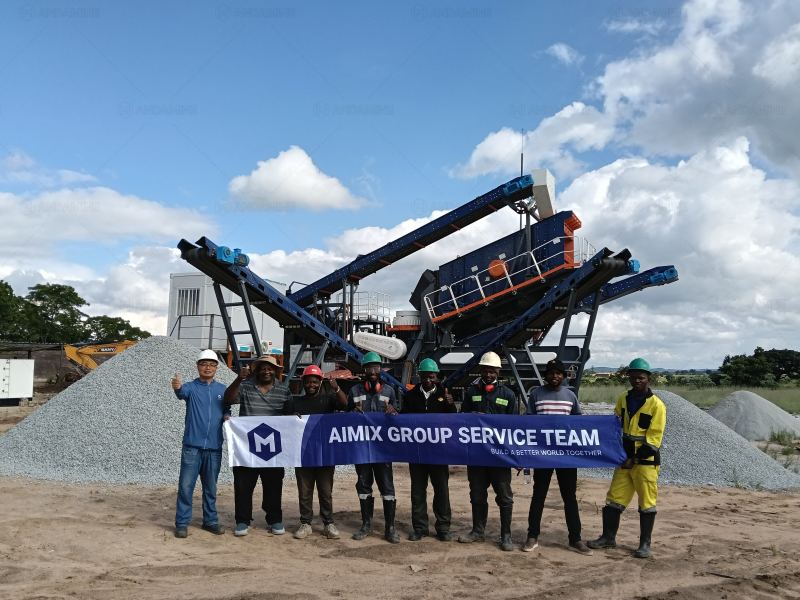
The stone crusher plant cost in the concrete production industry is influenced by capacity, equipment configuration, automation level, and regional market conditions. However, beyond cost considerations, the real value lies in long-term efficiency, supply chain control, and market demand stability.
Emerging markets such as the crushing plant in the Philippines and established mining regions like stone crusher plants in Chile highlight the global importance of aggregate production in construction development.
As the stone crusher plant business continues to expand, investors who focus on efficiency, durability, and market positioning will be best positioned to achieve sustainable long-term returns in the growing concrete and infrastructure sector.