“Should we keep buying asphalt from suppliers, or invest in our own plant?” This is a common question among contractors handling short-term road projects. At first glance, outsourcing looks simple. You just place an order and wait for delivery. However, when projects run for several months, costs start to add up quickly.
At the same time, a 40 TPH mini asphalt plant offers a different path. It gives you control, flexibility, and potentially lower costs. But is it really cheaper within a 6-month period? In this article, we will break down the real numbers, practical scenarios, and key decision factors. This will help you make a smart, profit-driven choice.
Understanding The Two Options: Buy Or Outsource
Before comparing costs, you need to clearly understand how these two models work in real projects.
What Does Outsourcing Asphalt Supply Mean?
Outsourcing means you purchase hot mix asphalt from a third-party supplier. They produce the mix and deliver it to your site. This approach works well for small or irregular projects.
However, several hidden factors affect your total cost:
– Distance from plant to site
– Traffic delays and waiting time
– Fuel surcharge fluctuations
– Limited control over mix quality and timing
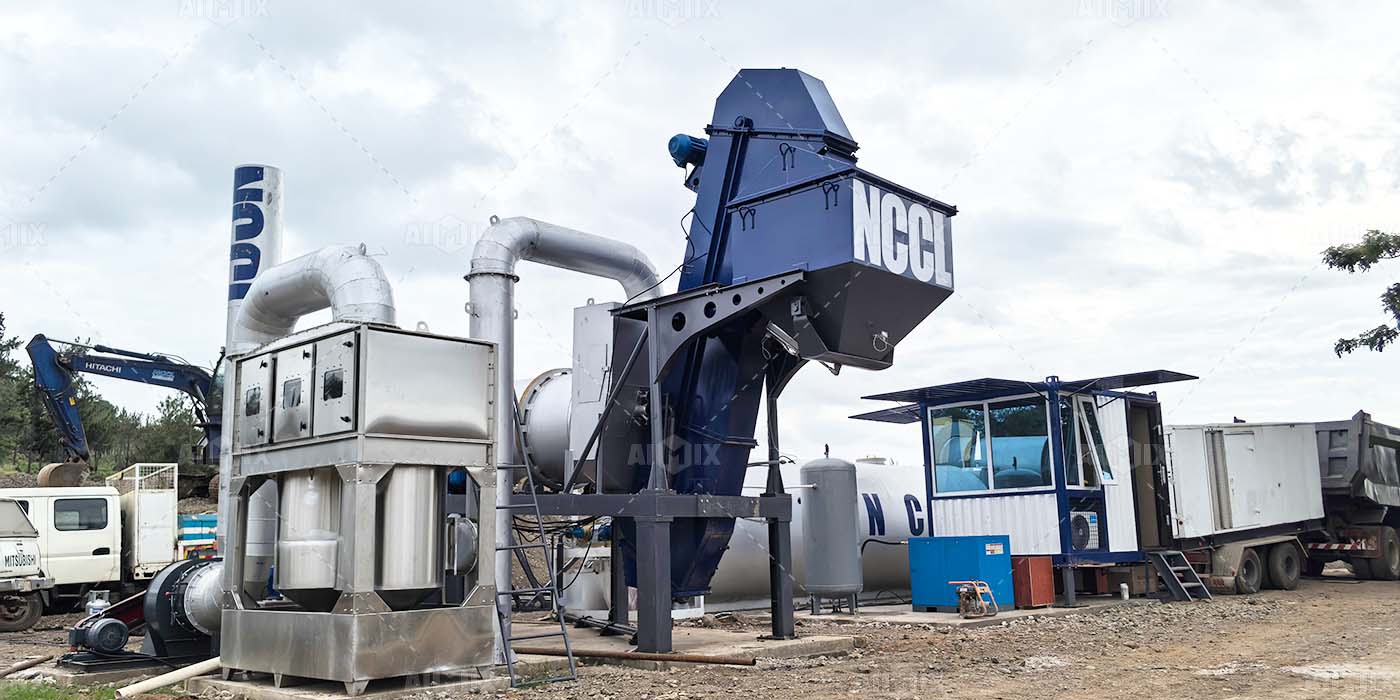
What Does Owning A 40 TPH Mini Asphalt Plant Involve?
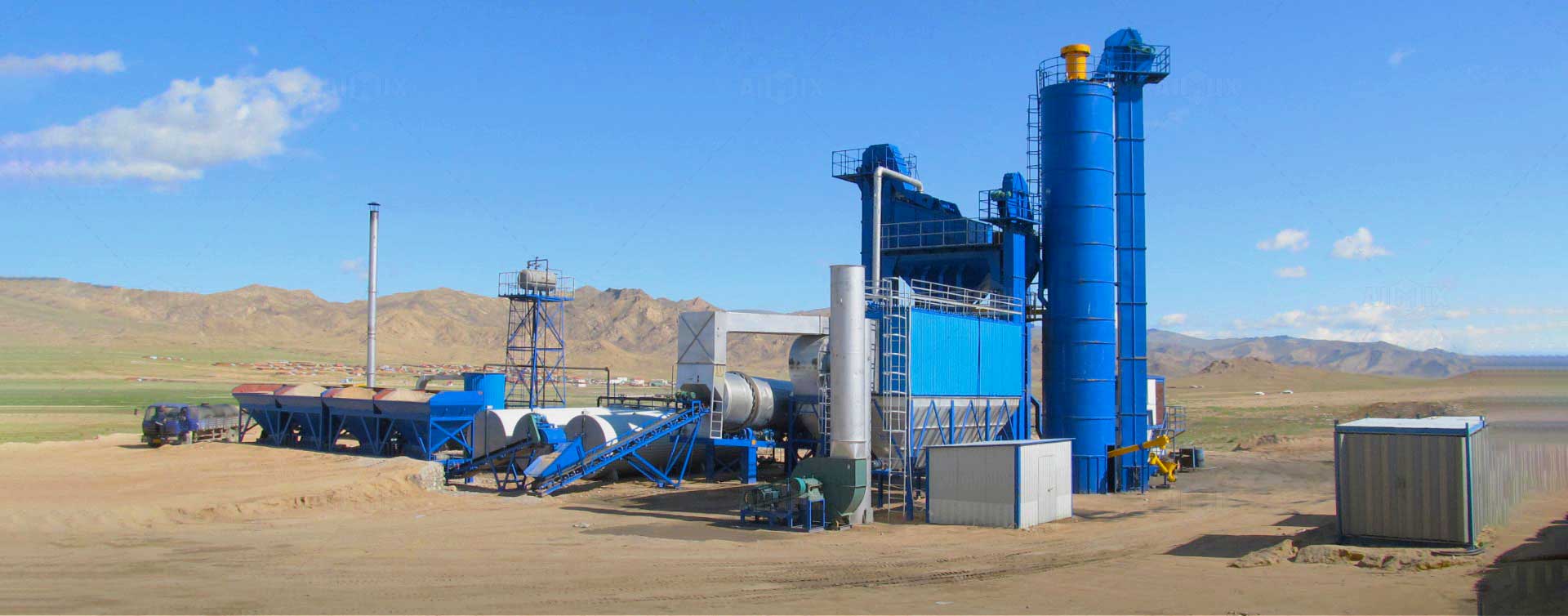
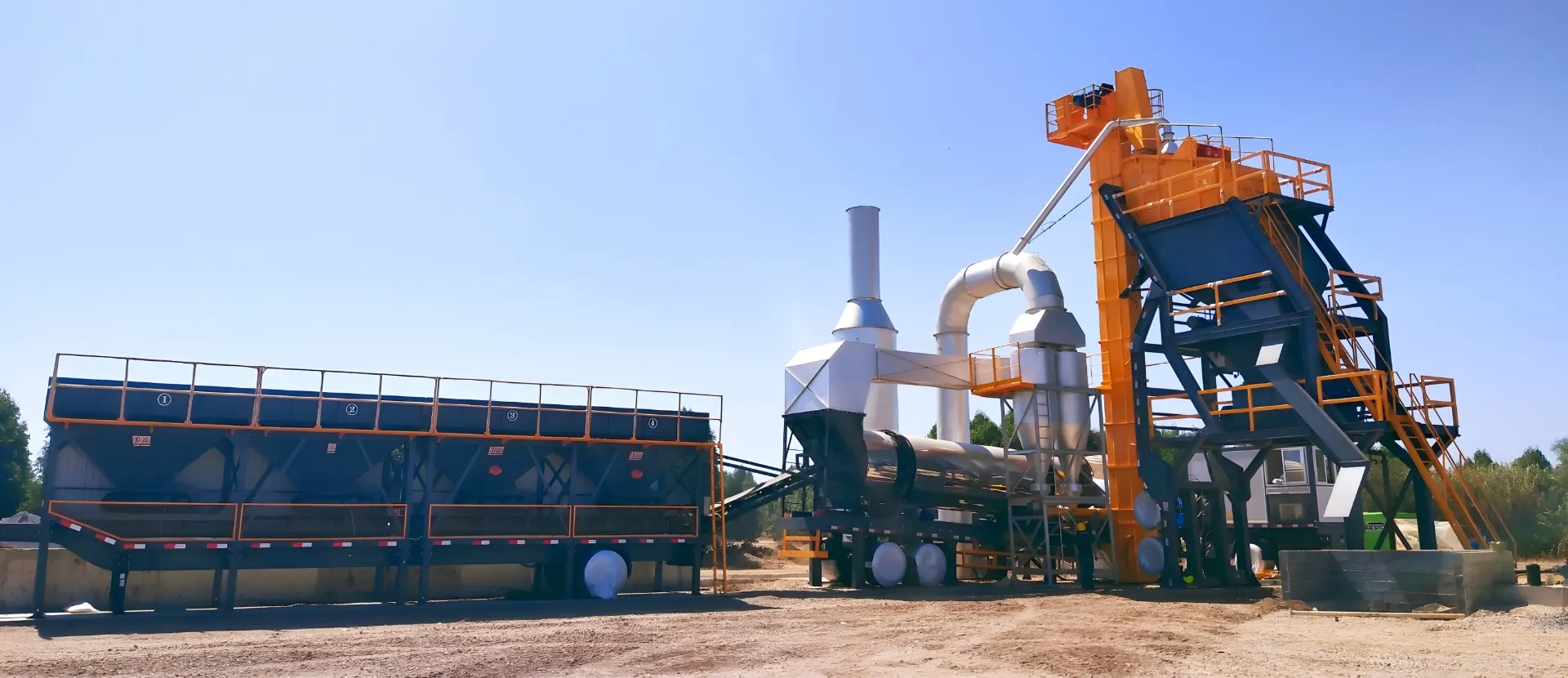
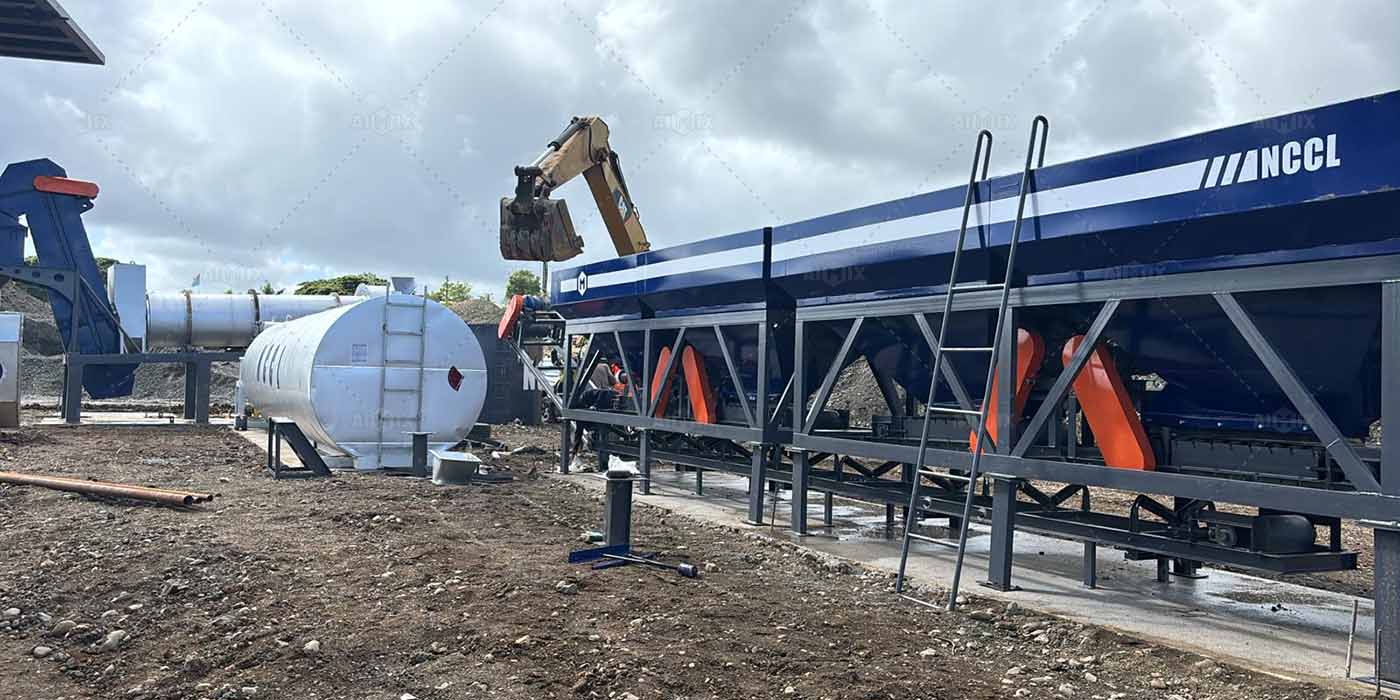
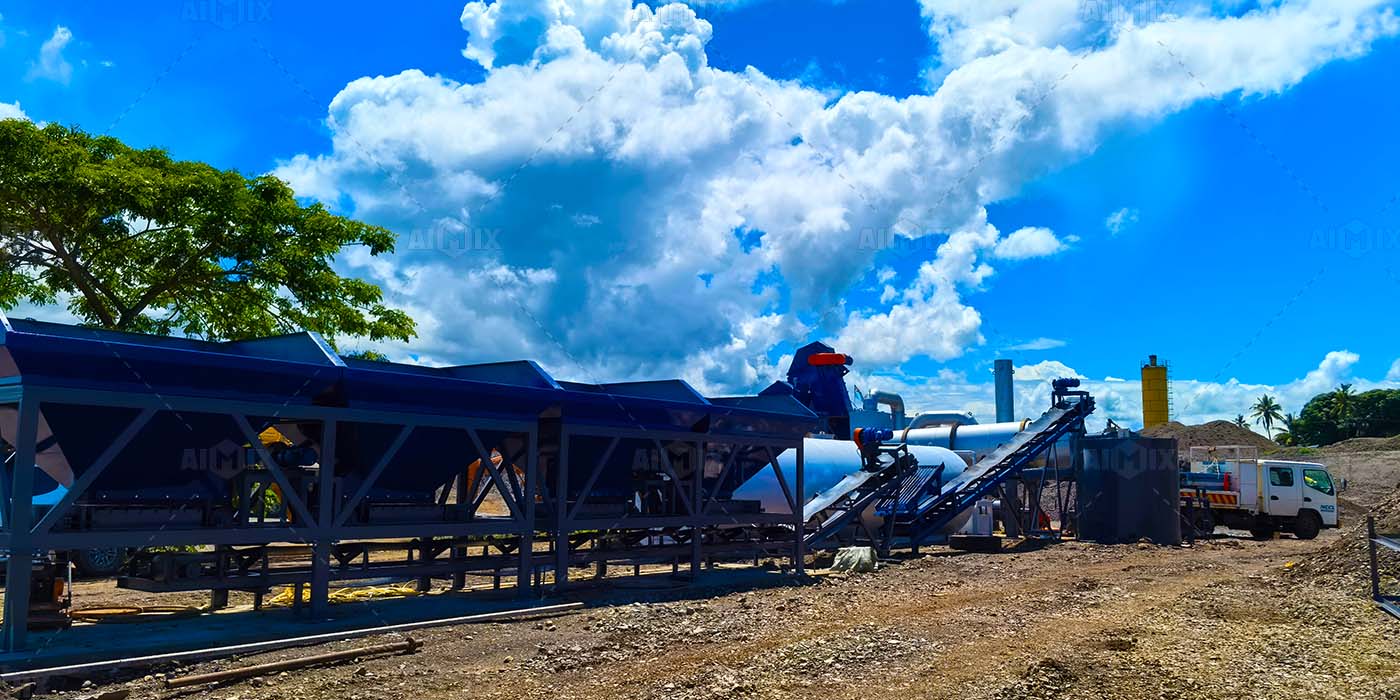
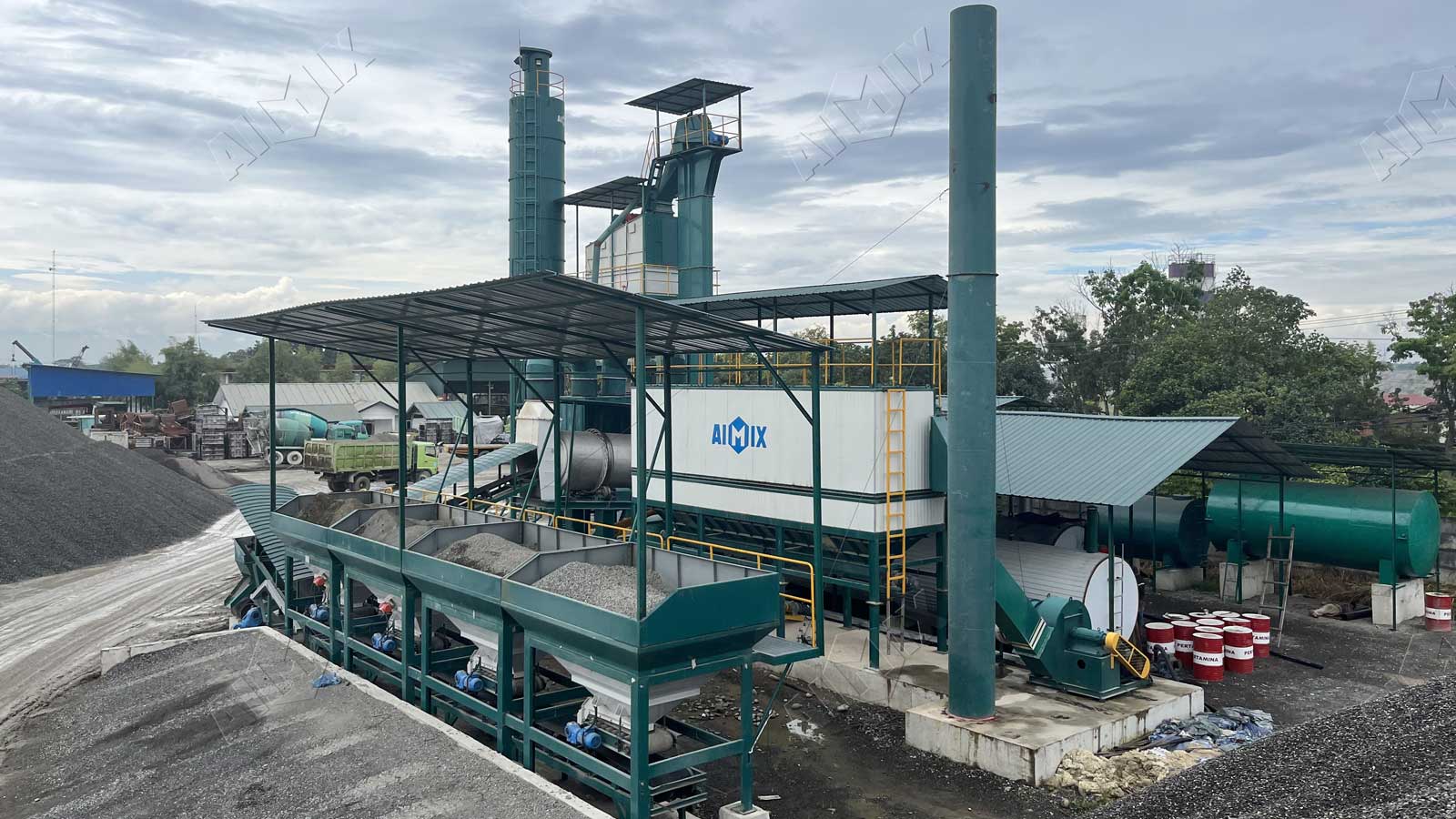
A 40 TPH mini asphalt plant is a compact, mobile solution. It produces around 40 tons per hour. This makes it ideal for small to medium road projects, especially in remote areas.
With your own plant, you control production, scheduling, and mix quality. You also reduce reliance on external suppliers.
Now that the two options are clear, let’s move into the most important part—cost comparison.
Direct Cost Comparison Over 6 Months
To make a fair comparison, we will use a typical project scenario. Assume you need 20,000 tons of asphalt over 6 months. This is common for municipal roads or rural highway upgrades.
Let’s break it down step by step.
Outsourcing Cost Breakdown
Average asphalt price (delivered): $70–$100 per ton (varies by region)
Total Cost:
20,000 tons × $80 (average) = $1,600,000
But this is not the full story. You should also consider:
– Idle time due to delayed delivery
– Rejected loads due to temperature loss
– Overtime labor costs caused by waiting
In reality, these factors can increase total costs by 5%–10%.
Adjusted Total Cost: $1,680,000 – $1,760,000
Owning A 40 TPH Mini Asphalt Plant Cost Breakdown
Now let’s look at the cost of owning and operating your own plant.
1. Initial Investment (One-Time)
– 40 TPH small scale asphalt plant: $80,000 – $150,000
– Installation and setup: $10,000 – $20,000
Total Initial Cost: ~$120,000
2. Operating Cost (Per Ton)
– Raw materials: $30–$50 per ton
– Fuel: $5–$10 per ton
– Labor: $3–$5 per ton
– Maintenance: $2–$3 per ton
Total Production Cost: ~$45–$65 per ton
Total Cost for 20,000 Tons:
20,000 × $55 (average) = $1,100,000
Plus Initial Investment:
$1,100,000 + $120,000 = $1,220,000
Clearly, the savings are significant.
Total Savings: $400,000 – $500,000 in 6 months
However, cost is not the only factor. Next, we need to examine operational advantages.
Operational Flexibility And Time Efficiency
Beyond cost, time and flexibility directly affect your project success. This is where many contractors underestimate the value of owning equipment.
With Outsourcing
You depend entirely on supplier schedules. If they delay, your team waits. If traffic slows delivery, asphalt temperature drops.
This leads to:
– Interrupted paving cycles
– Lower compaction quality
– Increased rework risk
With A Mini Asphalt Plant
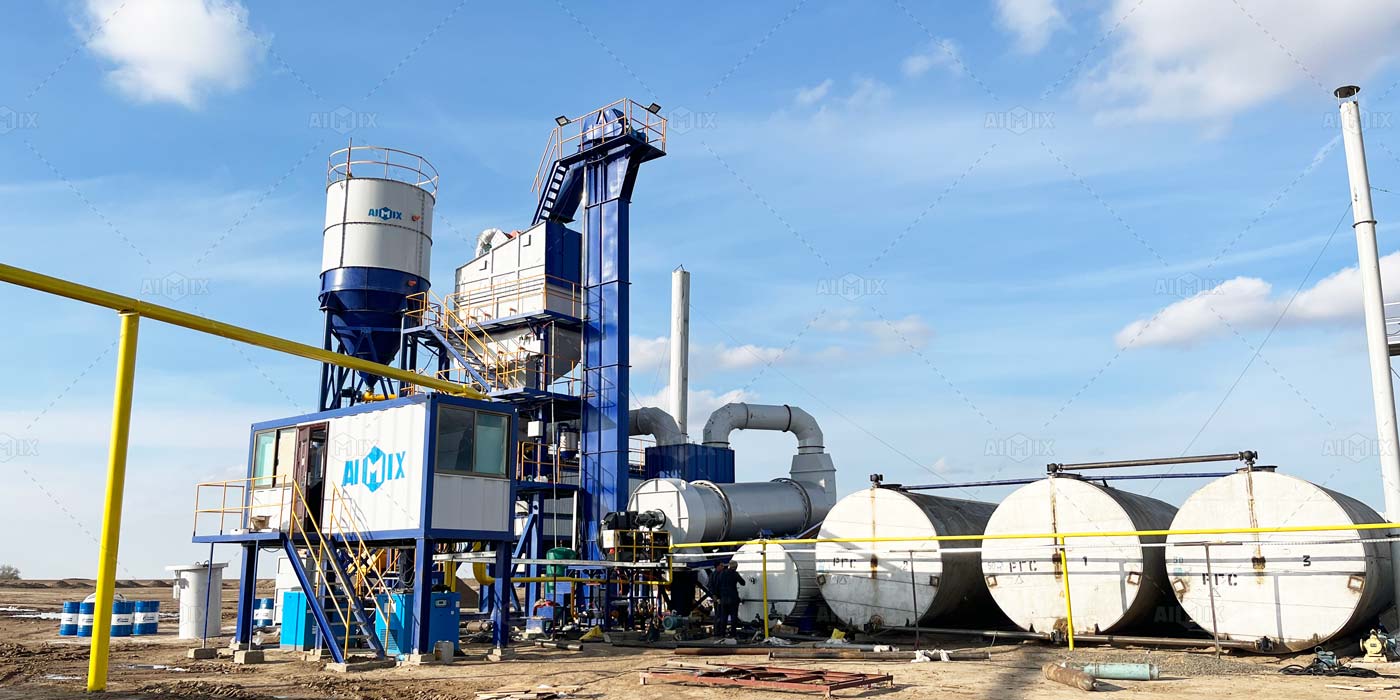
You produce asphalt on demand. You match production with paving speed. You avoid long-distance transport issues.
As a result:
– Work continues without interruption
– Asphalt quality remains consistent
– Project timelines become more predictable
Therefore, owning a plant improves not only cost control but also execution efficiency.
Project Suitability: When Does Buying Make Sense?
Although owning a plant offers clear benefits, it is not always the best choice. You need to evaluate your project conditions carefully.
Buying A 40 TPH Mini Asphalt Plant Makes Sense When:
– Project duration exceeds 3–4 months
– Total demand exceeds 10,000 tons
– Site is far from commercial asphalt suppliers
– You handle multiple projects within a year
Outsourcing Is Better When:
– Project volume is small (less than 5,000 tons)
– Work duration is very short (1–2 months)
– Reliable suppliers are located nearby
In short, scale and duration are key decision factors.
Hidden Value: Long-Term Return On Investment
So far, we have focused on a 6-month project. However, the real advantage of buying a plant becomes clearer over time.
After your first project, the plant is already paid for. Future projects will only incur operating costs.
This creates strong long-term value:
– Lower cost per ton in every new project
– Opportunity to supply asphalt to other contractors
– Higher competitiveness in bidding
In addition, you gain technical experience. This improves your team’s efficiency and reduces reliance on external suppliers.
Risk Factors You Should Not Ignore
While the benefits are clear, you should also consider potential risks. A realistic evaluation helps you avoid costly mistakes.
Key Risks Include:
– Poor site preparation affecting plant stability
– Inexperienced operators causing production inefficiency
– Fuel price fluctuations increasing operating cost
However, most of these risks can be managed with proper planning, training, and supplier support.
Therefore, choosing a reliable manufacturer like asphalt equipment manufacturers and ensuring proper training is critical.
Real-World Insight: What Contractors Actually Experience
In many developing regions, contractors initially rely on outsourcing. It seems easier and less risky. However, after several projects, they often face recurring issues:
– Unstable supply during peak construction season
– High transport costs in remote areas
– Limited control over mix design
As a result, many contractors shift to mini asphalt plants. They start with mini asphalt plants because they are affordable and easy to operate.
Over time, they report:
– 20%–30% cost savings per project
– Faster project completion
– Better profit margins
This trend clearly shows the practical value of owning your own plant.
Final Decision: Which Option Is Better For You?
Now we return to the original question: Is buying a 40 TPH mini asphalt plant cheaper than outsourcing for 6 months?
The answer is yes—in most medium-scale, 6-month projects, buying is significantly cheaper.
However, the best choice depends on your specific situation. You should consider:
– Total asphalt demand
– Project duration
– Distance to suppliers
– Future project pipeline
When these factors align, investing in your own plant becomes a strategic move rather than just a cost decision.
Take Action: Turn Cost Pressure Into Competitive Advantage
In today’s competitive construction market, controlling cost is not enough. You also need speed, flexibility, and reliability. A 40 TPH mini asphalt plant offers all three.
If you are planning a 6-month road project or handling multiple contracts, now is the time to rethink your asphalt supply strategy. Instead of paying high outsourcing costs, you can take control of your production and improve your profit margins.
Contact a trusted supplier today to evaluate your project needs. Get a customized solution based on your production volume, site conditions, and budget. With the right setup, your next project can be faster, smoother, and more profitable. Check out bitumen plant for more information.